I followed the map to the meeting point, where I had been instructed to meet my group for the mezcal tour.
This is in a different part of town, somewhat outside of the tourist centro, but still very central.
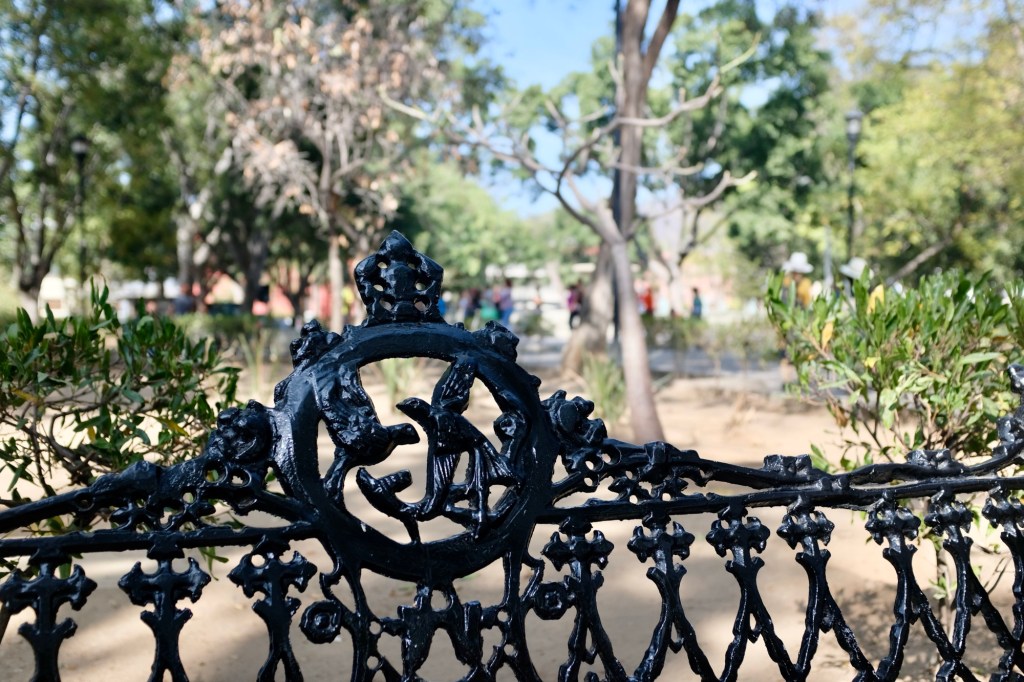
Along the way, a group of people were exercising in the park. I had given myself enough of a headstart this morning, so I had enough time to pause for a few minutes to just enjoy the morning sun streaming down through the branches in featherweight fingers that warmed my skin with their weightless touch.
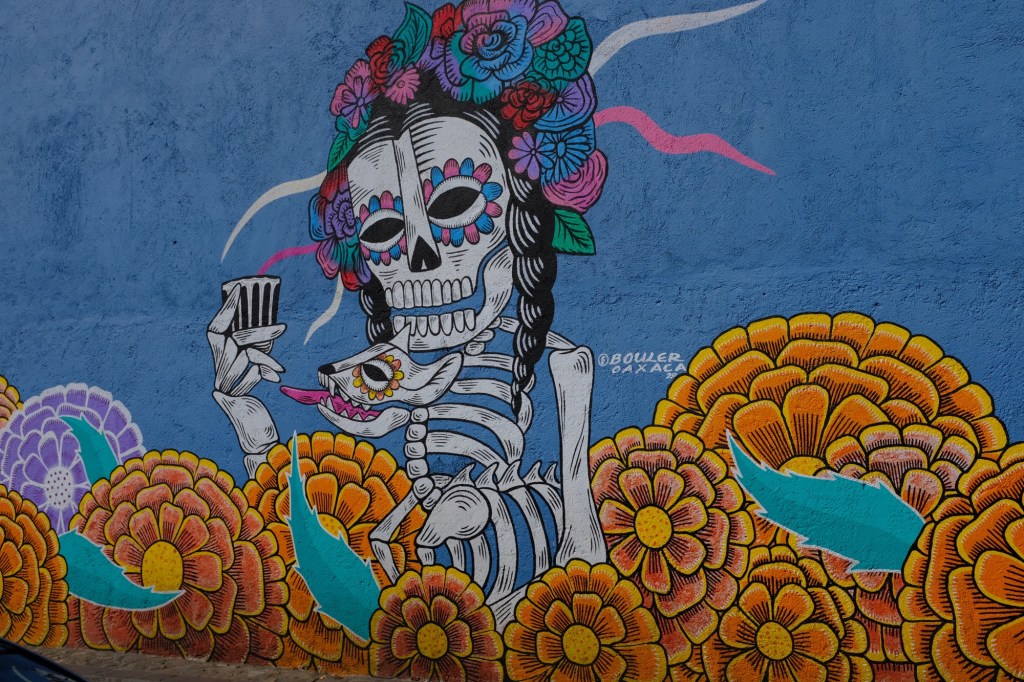
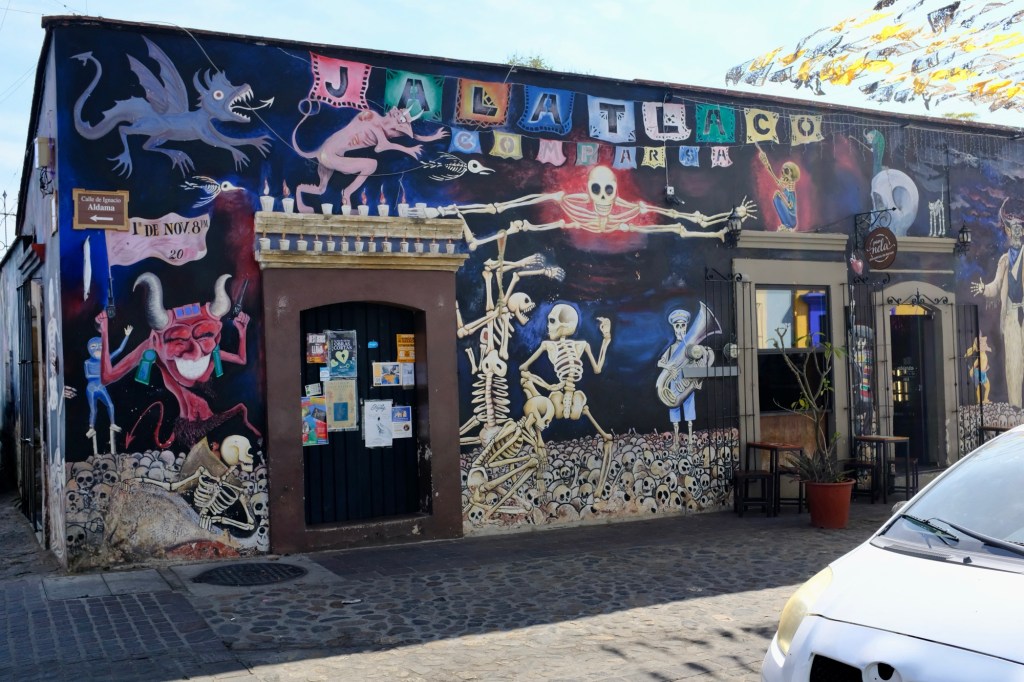
Further along, my path took me by this mural, and I wasn’t the only one snapping a photo. The murals hidden on some of the walls here are fantastic (and fantastical).
Our guide today was named Israel, and in total there were about 10 of us in the group, Canadians and Americans.
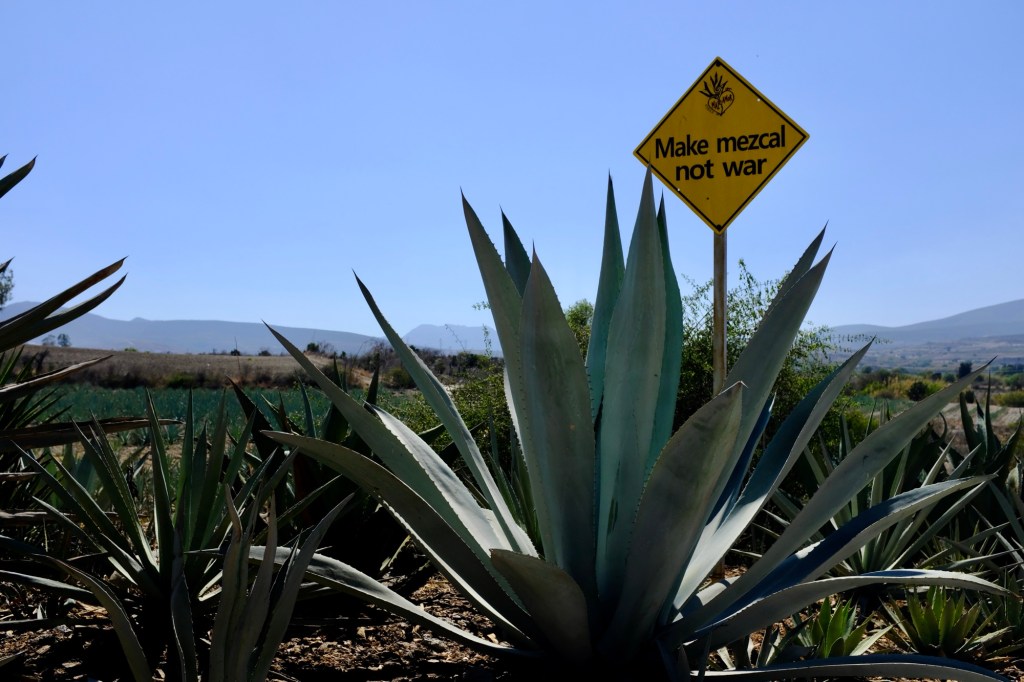
We had all signed up for a Mezcal tour, which took us well outside of the city limits and into the countryside. About 80% of the mezcal produced in Mexico comes from this region.
I learned a lot about mezcal today, and was able to find many parallels to my prior Scotch whisky tour.
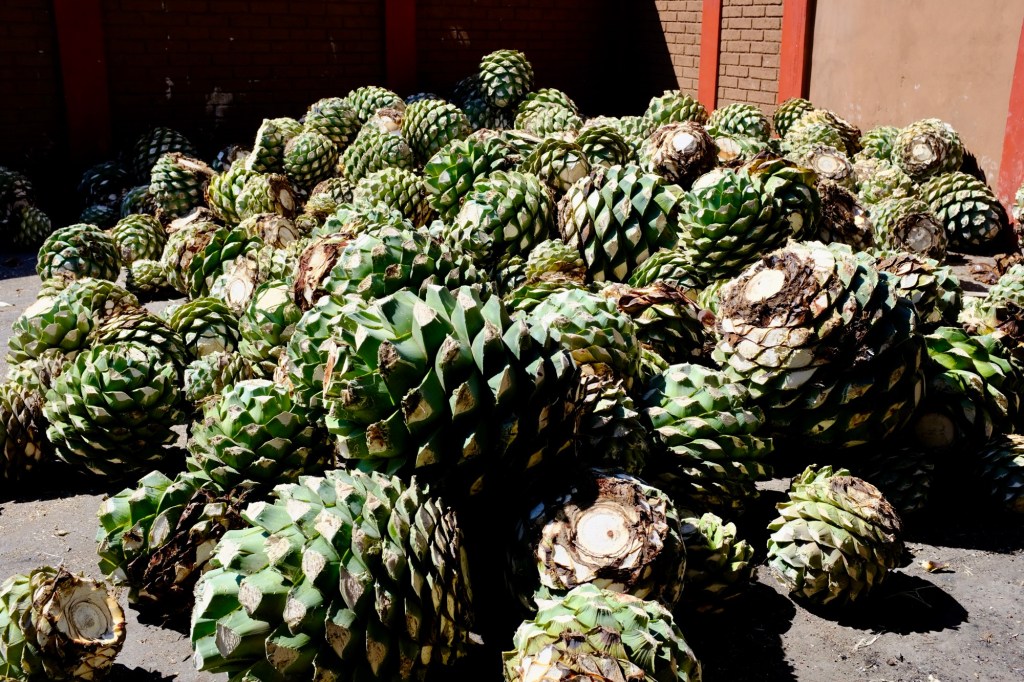
Among other things I learned that there are about 18 different varieties of agave that are used for the production of mezcal, and blue agave is one of the fastest growing, but even that takes about 6 years to harvest.
Speaking of blue agave, that’s what tequila is made from, and that’s the only one they use. The locals, however, look down on tequila here, with Israel even going so far as to state, “there is no good tequila.”
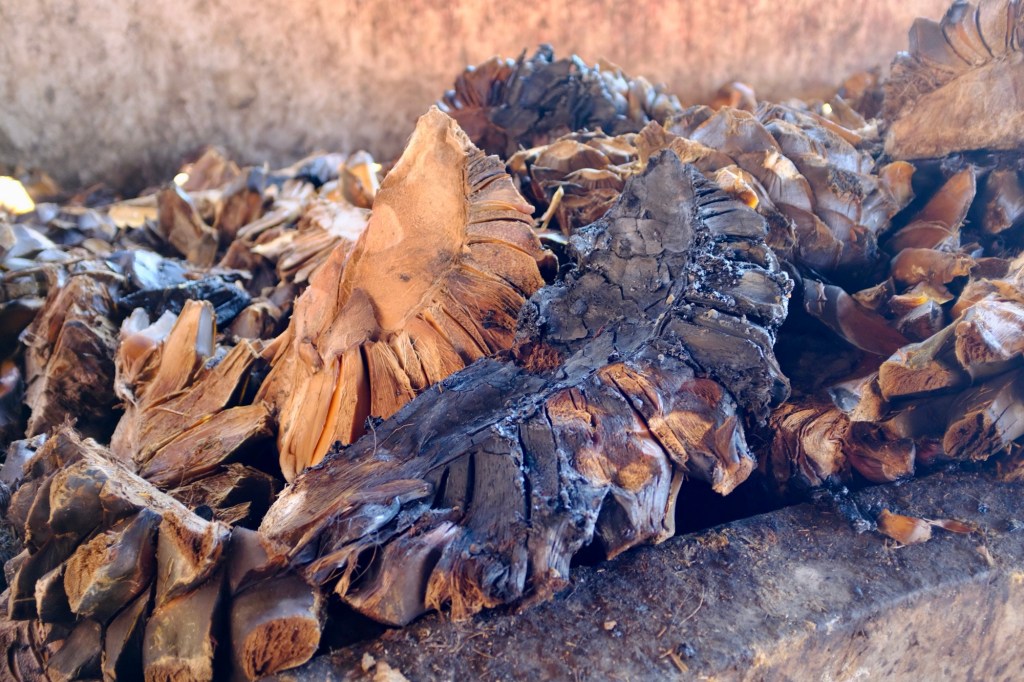
Tequila, as compared to mezcal, is produced by steaming the agave, rather than roasting it in a wood-roasted pit (this gives mezcal a smoky undertone).
It’s arguable that tequila is a type of mezcal (or that a subset of mezcals are tequila), but people here want nothing to do with that. Tequila can also be adulterated with other alcohols such as grain or potato alcohol, and that isn’t allowed with mezcal.
Tequila is swill.
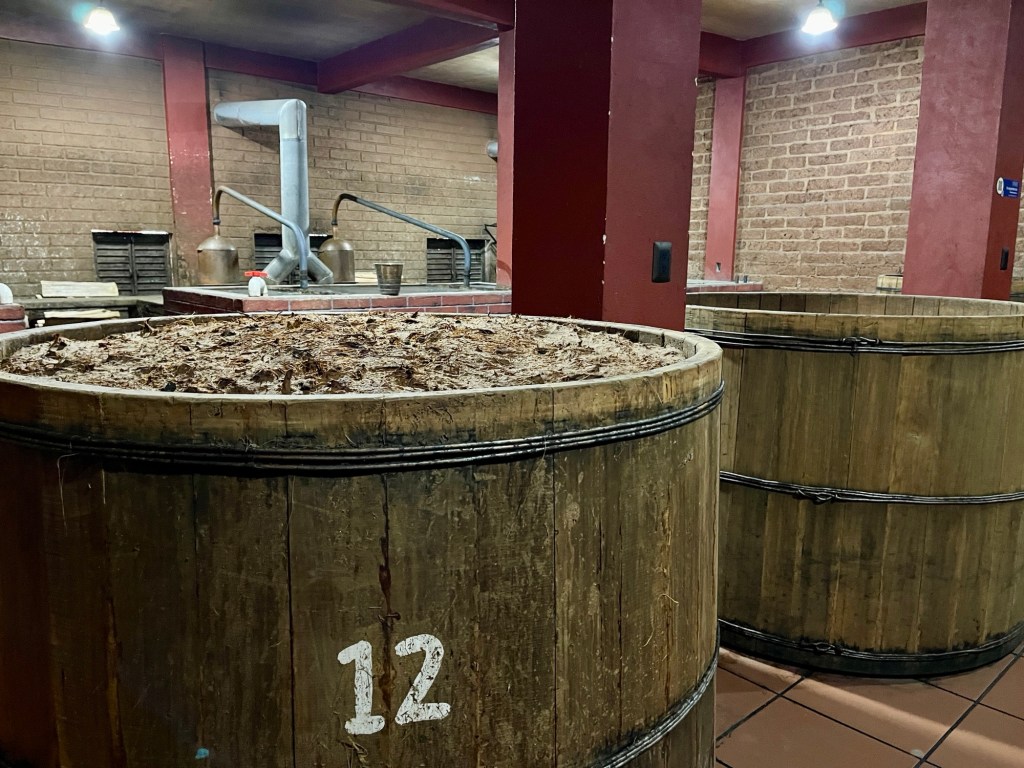
The fermentation rooms here are starkly different from those in Scotland. The smell there was heavily perfumed; sweet, rich, and heady. Here the air is primal assault on the olfactory bulbs, with an aroma that speaks of the earth and creatures crawling in places unseen.
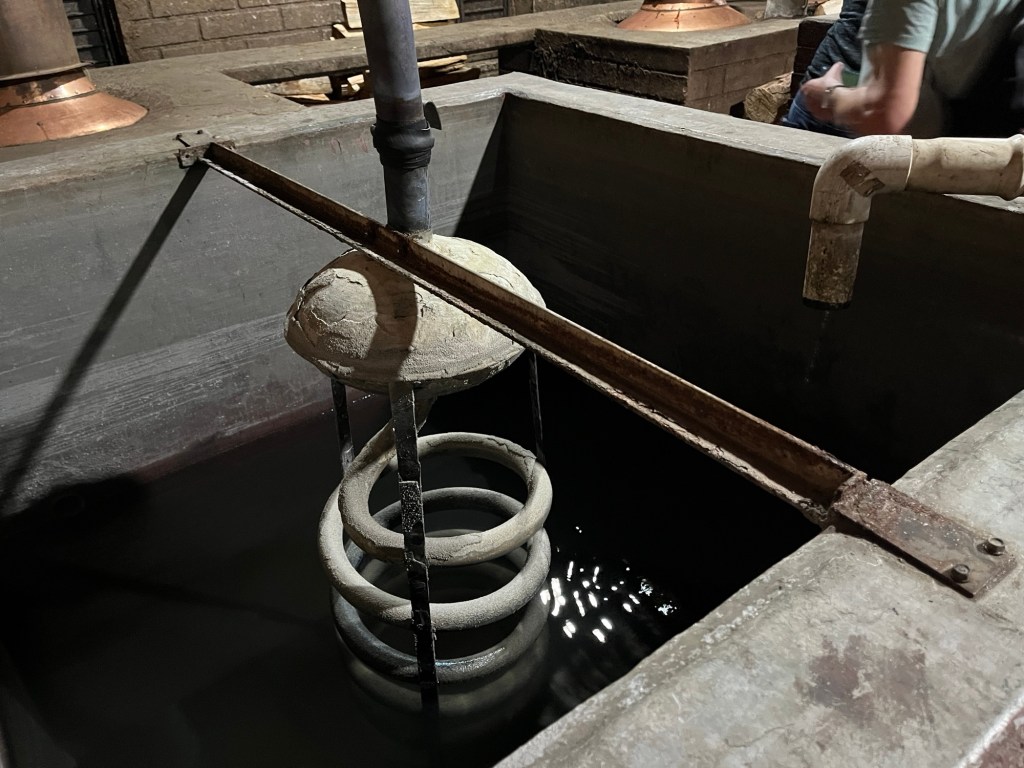
And the distillation process in Scotland was clean and pristine, with enormous vats burnished and glowing in the morning sun. Here the distillation vats are less pretty and more functional. There is corrosion in places, and the precious drops of distillate are collected in plastic buckets and assembled.
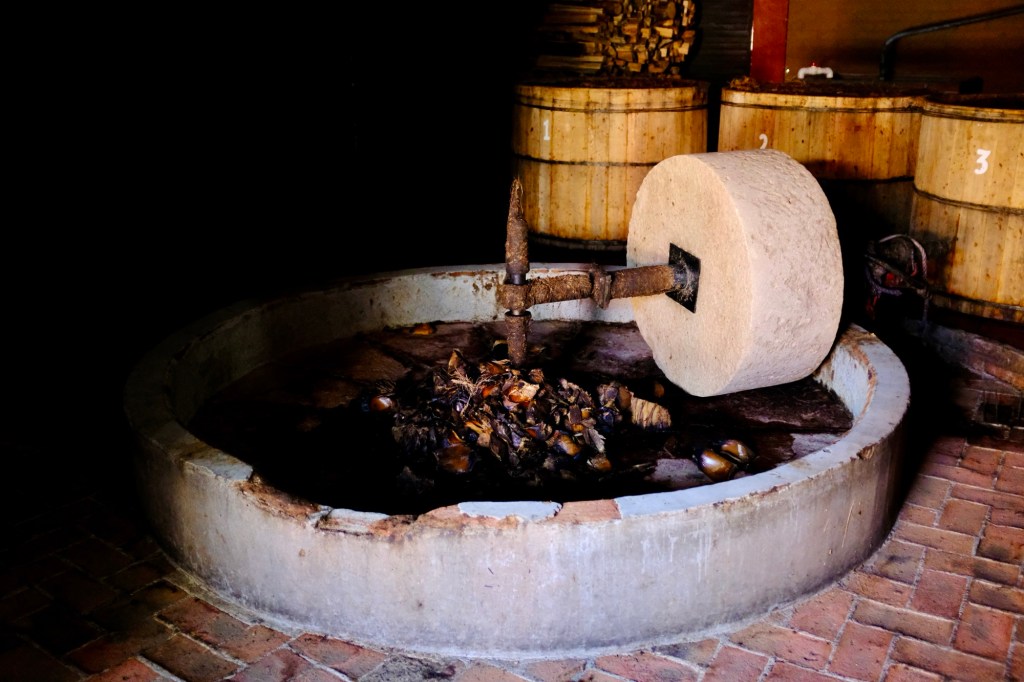
In Scotland the process has been perfected over centuries of dedication and wealth and marketing. Here, your moonshinin’ cousin has upgraded some of his rig, and is working on the rest.
And the end product is very different.
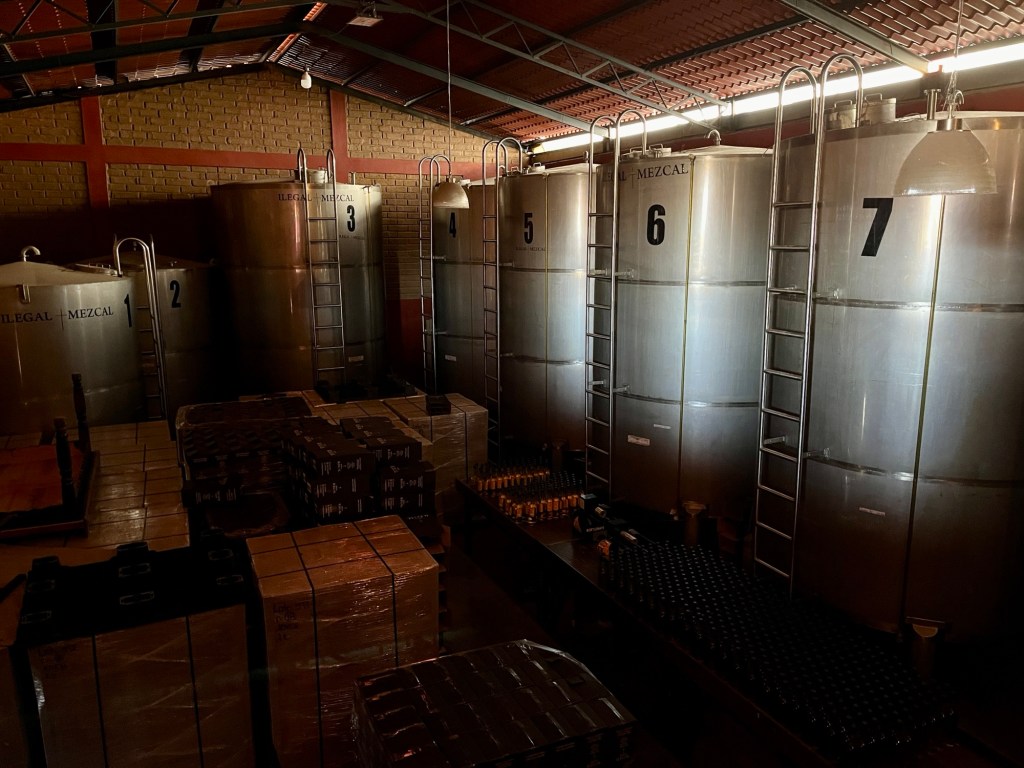
In Scotland, they don’t even think of it as whisky until it is aged in a barrel. Most mezcal is bottled unaged and young (joven). Only a small amount touches a barrel, and that is either sold as reposado (rested) or anejo (aged).
We followed up the tour with a tasting of Mezcal, pouring small sips from several bottles produced here. The bottles are classified by the variety of agave from which they have been produced, reminiscent of wine. I’m sure some blending takes place, but I didn’t see it at this distillery.

The bottles all had a unique flavor. Some carried stronger smoky notes, and others were more green. I won’t say I liked them all, but I did enjoy several of them.
The biggest surprise was that they didn’t try to sell us anything at the end of the tour. I don’t even know if we could have bought something. In retrospect, it’s almost shocking – that’s just not how these things work. In general you pay for a tour, and then the guides get an additional cut if you buy something. I’m still processing this.
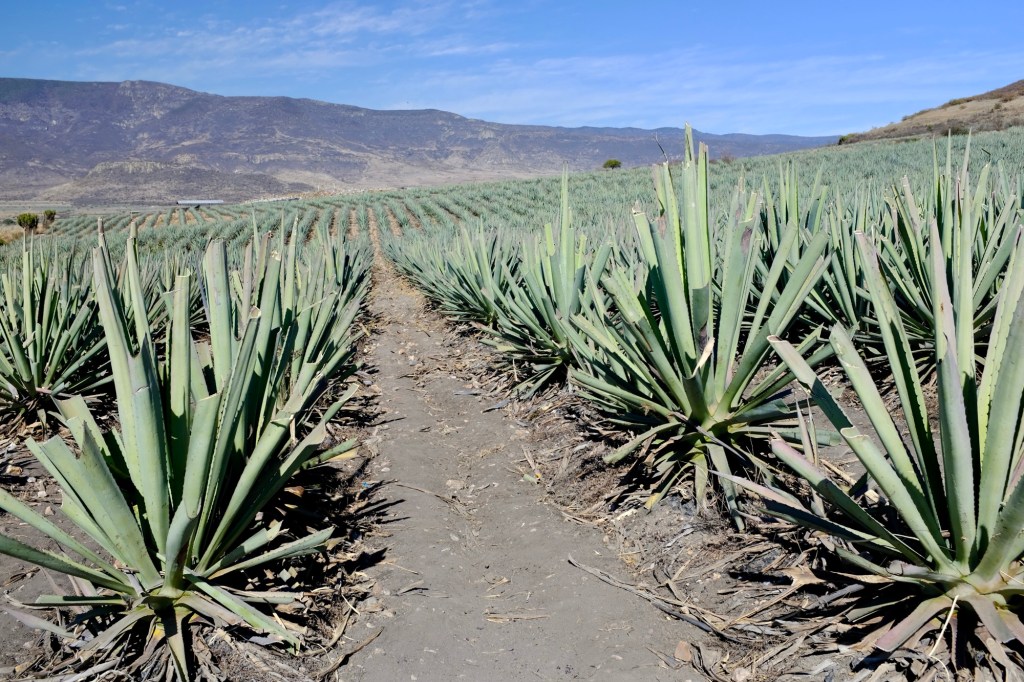
At the end of the visit to the distillery we stumbled into the bus and, stopping only twice: to visit an agave field and have lunch. We arrived back in Oaxaca as the light was fading and a bustling evening was settling into the streets around my hotel.
And I was ready for some street food

 butterblogger