Over my many years of travel, I’ve been to several of the great cities of the world. Some of these cities, like Rome and Istanbul, flaunt their age. They are old and they are they wear their age with pride. Others, like New York and Sydney, just aren’t that old and instead relish their youth. Yet again, some cities, like Madrid, just have a small older core, around which they have built up newer surrounding neighborhoods.
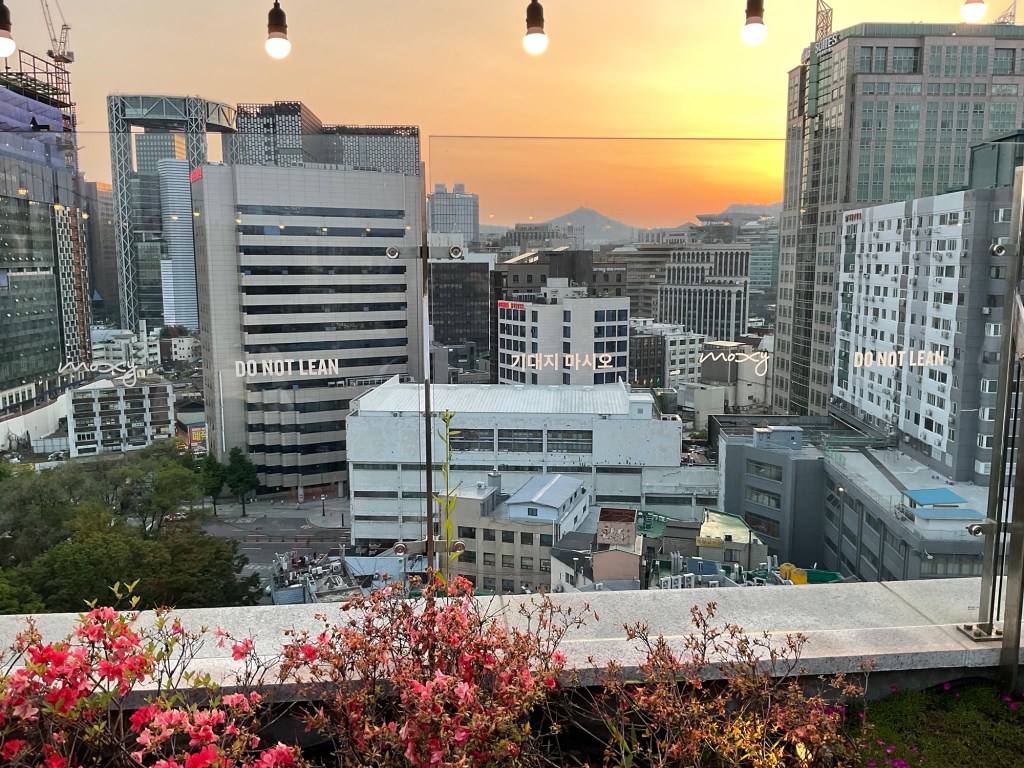
All of which is to say, Seoul dates back to 13 BCE, so is very old, but just doesn’t feel or show that age. In this way, it reminds me of Madrid. Perhaps this is because it was primarily a provincial capital until 1394 when it became capital of the Joeson Dynasty.
It may also be the several bouts of occupation is has gone through, not just by Colonial Japan, but also changing hands 4 times in the Korean War. Much of the city has been destroyed and rebuilt.
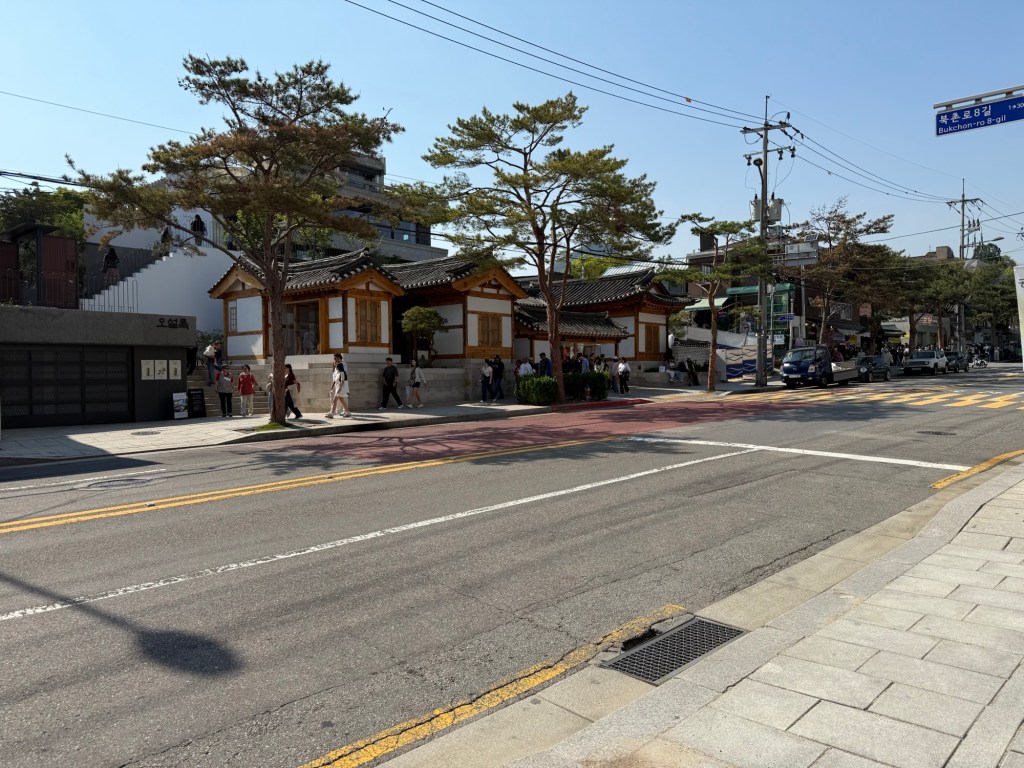
Regardless of how it happened, this old city has broad modern boulevards and feels young. Other than the palaces (which really aren’t very old either) I can’t detect many centuries of wear here.
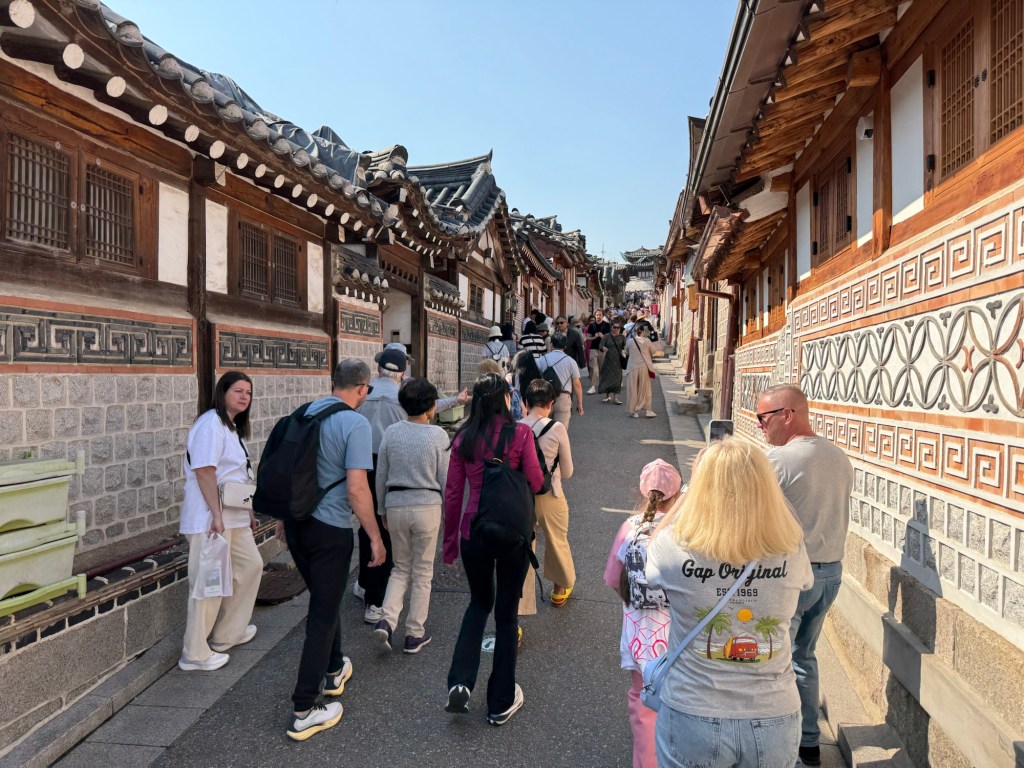
Not far from my hotel is Bukchon Hanok Village, one of the older neighborhoods in the area. The houses in this neighborhood are called hanoks, and they are built in an the older, traditional style, dating to the early 20th century. The preservation of this area has been a conscious decision, as modernization has slowly leading to their replacement in other parts of Seoul.
I walked among hanoks near my hotel 2 nights ago, but those have been completely modernized internally, and only the shells are preserved.
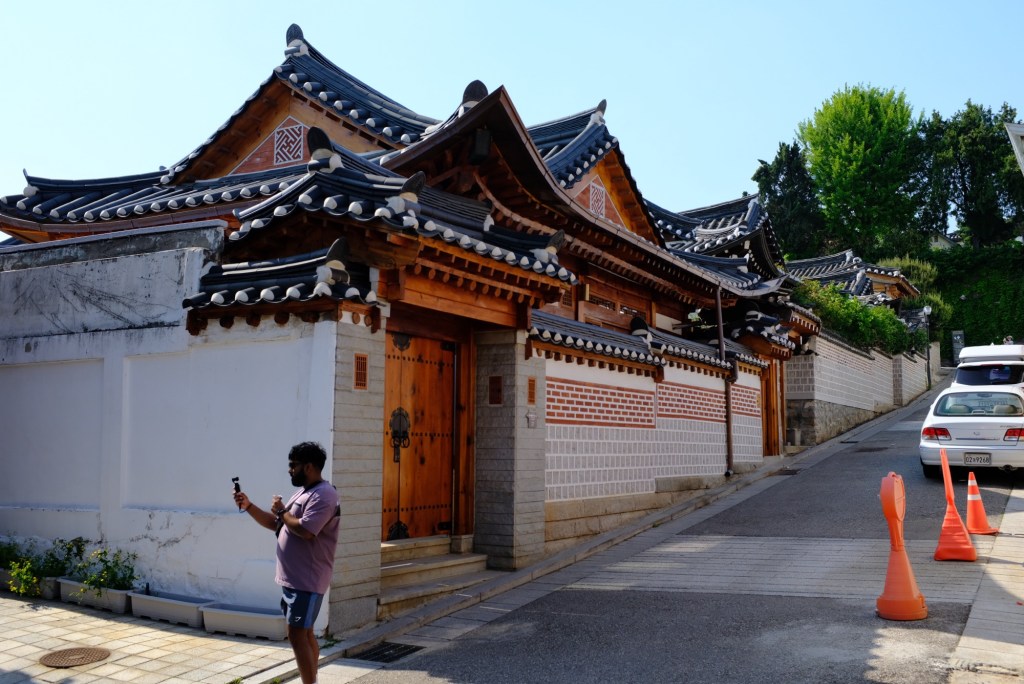
Strolling through this hilly area, I am struck that maybe it’s not just modernization, but also the construction techniques – these old houses are made using a lot of wood. That means they are vulnerable to things like fire. Perhaps if they had used stone they would have lasted better.
This morning I went to the National Museum of Korea. Unlike other national museums, set in older buildings, this building was constructed in 2005, and the National Museum itself dates to 1945.
I didn’t spend much time here – I saw what I wanted
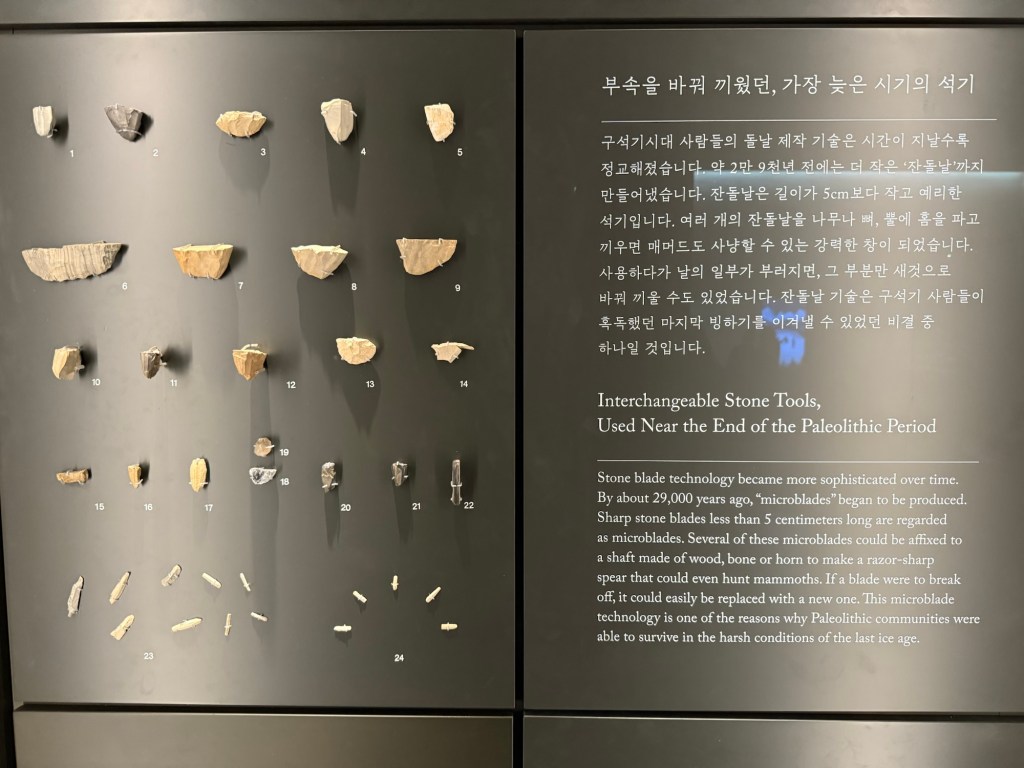
I started in the rooms of ancient history, where they showed paleolithic stone tools, gradually growing more advanced across the ages. 29,000 years ago those tools had interchangeable blades, which is astounding to me.
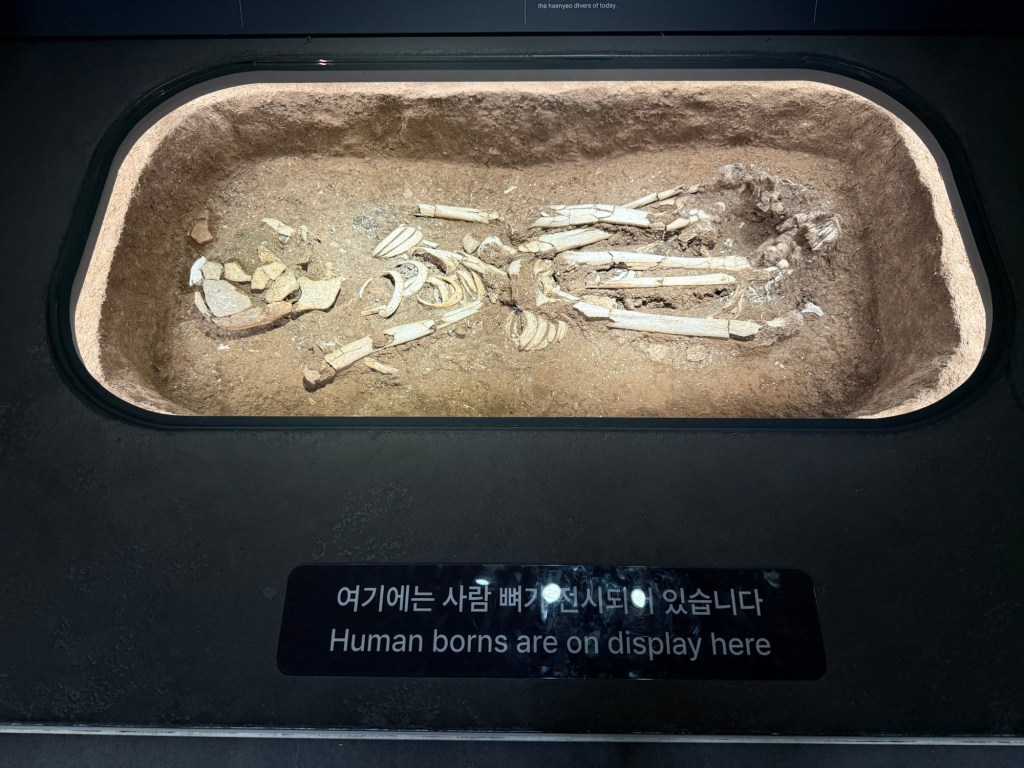
They had a neolithic grave on display, reminding me of prehistoric graves I’ve witnessed in my travels to other parts of the globe.
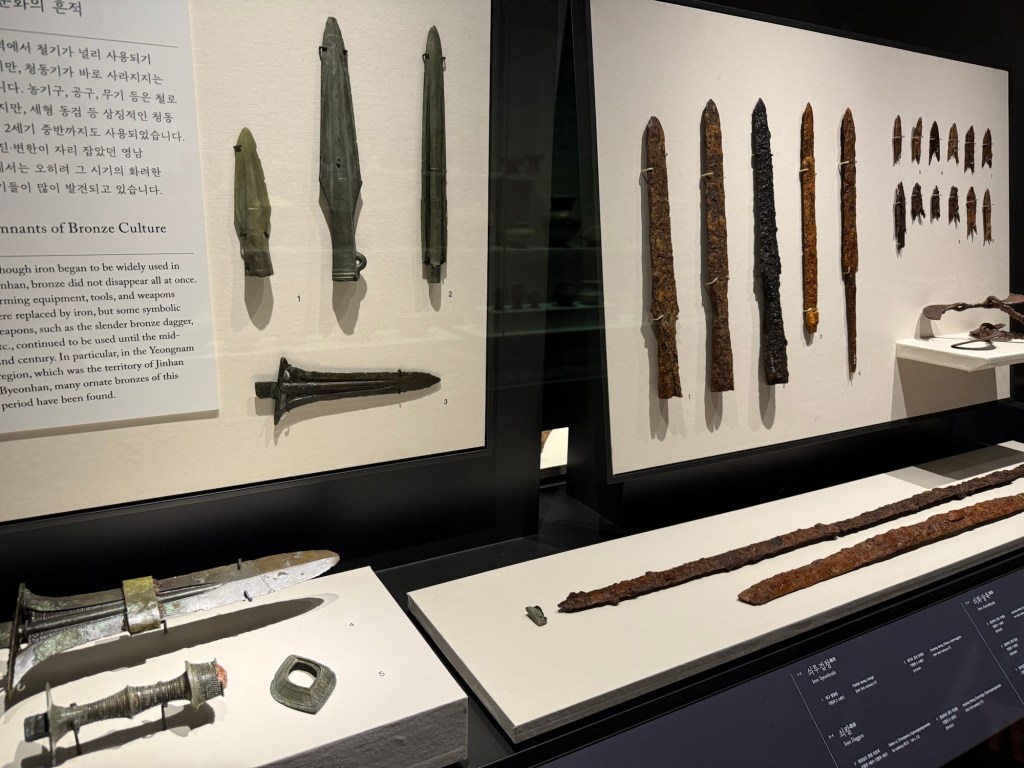
And here in Korea, as elsewhere in the world, a great transition took place, from the bronze age to the iron age.
This continuity through time is something that I’m finding unites us more than we often realize. Again, our history books often taught us of one “key” moment or story, but in reality I think ancient history seems to be characterized by shared transitions across the world.

I strolled through the rooms of the museum, glancing at pieces of time organized under labels like Gojoseon, Goguryeo, and Silla, and I wondered at them. Before this trip those names meant nothing, and they still have limited meaning today. I wasn’t about to understand them in an afternoon, but maybe I don’t need to.
Maybe history is simpler.
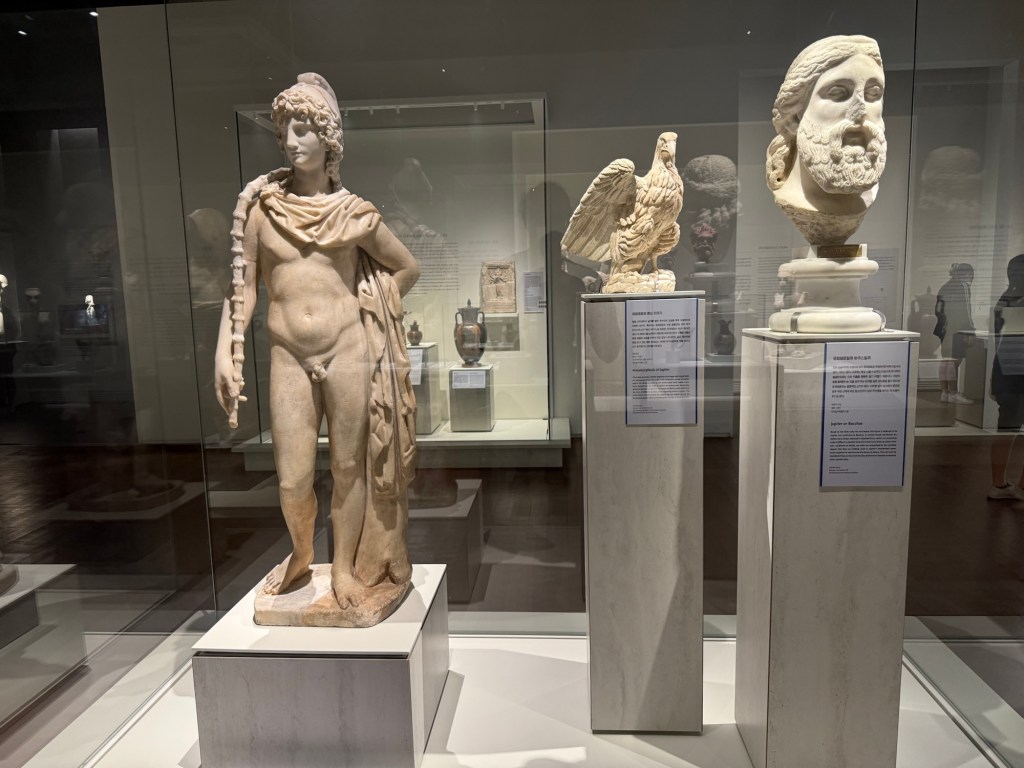
Two floors away they have rooms dedicated to bits and pieces of Greek and Roman history, Japanese samurai history, and central Asian relics.
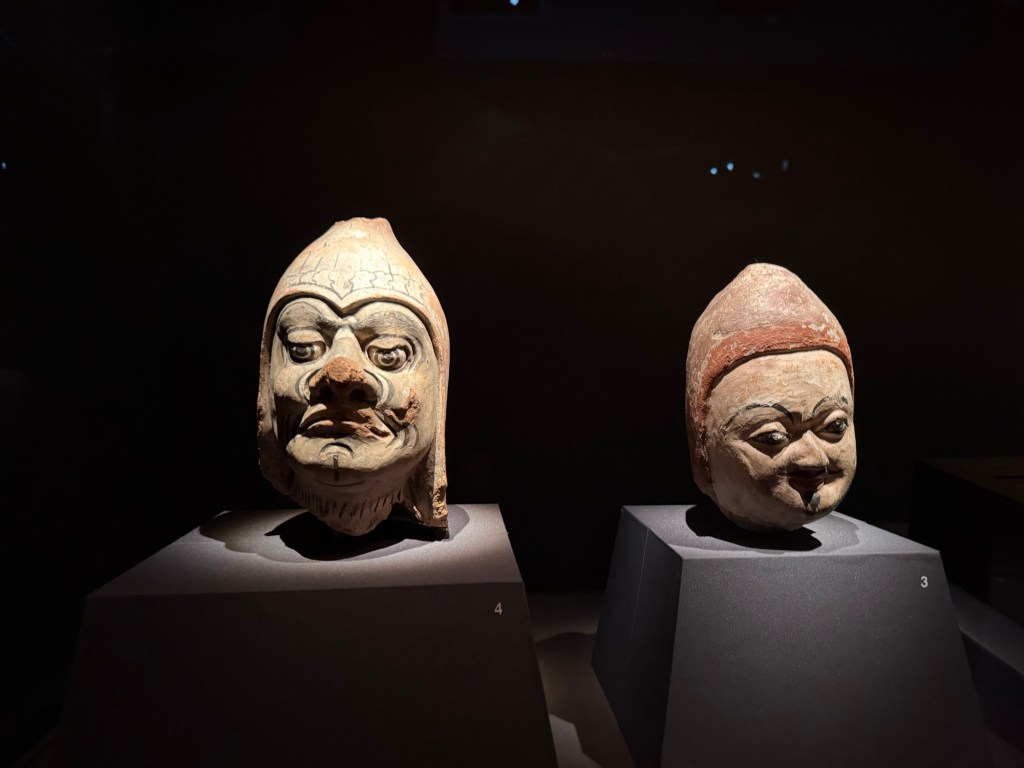
Maybe our histories are all incredibly different when we consider the specifics, but maybe they are also the same. Maybe the themes of humanity keep repeating themselves across the miles and millennia, in shifting alliances and borders, in eras of war and eras of peace, and in growth and recession.
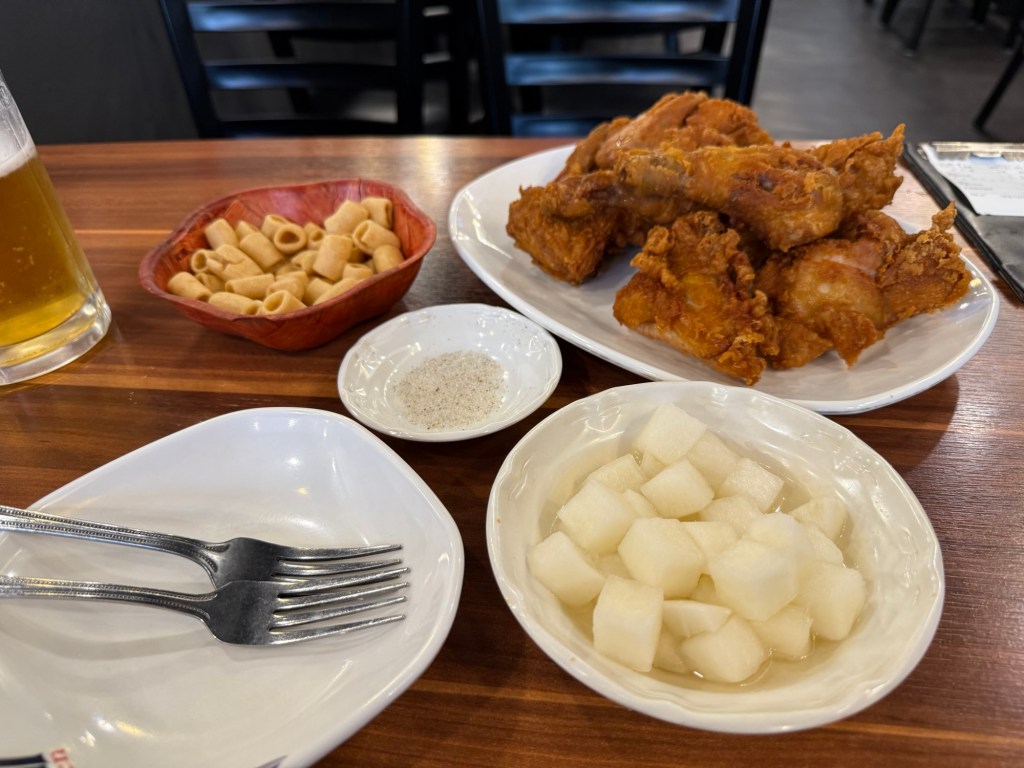
I left the museum thinking of this, heading back to my hotel to nurse a headache, stopping for some lunch on the way.

Later in the evening, I would emerge again to explore the hanok village and find some street food.
And I would consider that maybe we aren’t really that different after all.

 butterblogger
Love to hear of your adventures, Mark!