The old man sitting next to the bubbling drinking fountain in a dusty blue ball cap took a long drag of his cigarette and looked up at me with his puffy grey face, deep crescents of crimson underlining each sagging eyelid. “Sit down.”
I turned to him.
“I said ‘Sit down.’” he ordered me in a Russian accent.
I actually considered it, but the seats were small and the area was intimate – more than I was willing to be. I might have listened if there had been a bit more room, wondering what he had to say, but we would have been face to face and I wasn’t ready for that.
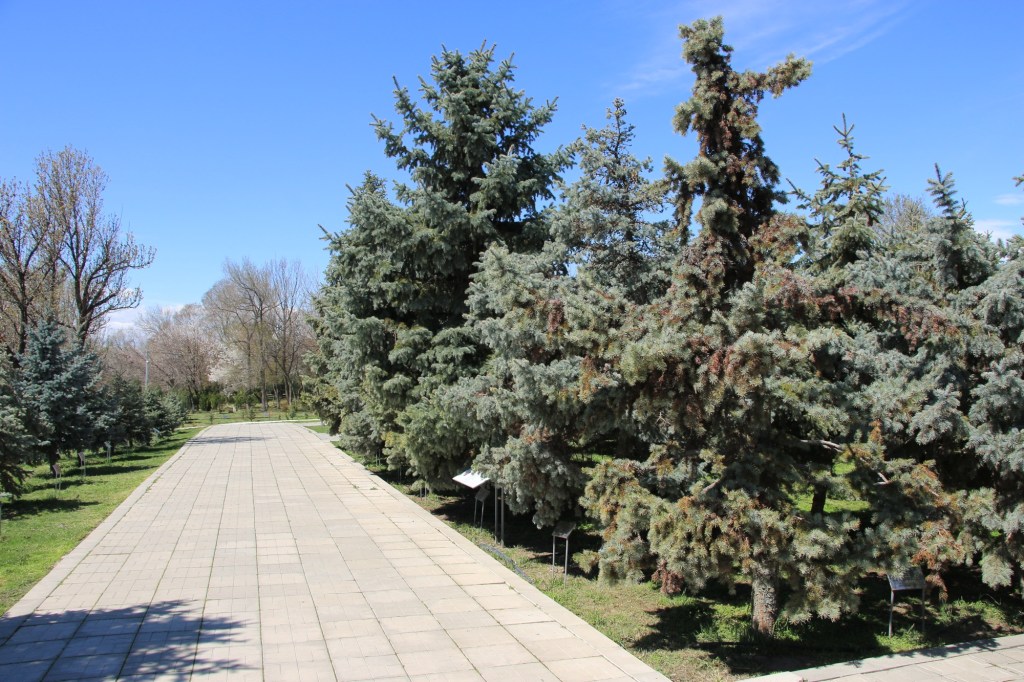
I thanked him politely, and continued on, gazing at the stands of memorial fir trees that have been planted here. Across several decades, several foreign dignitaries have planted fir trees to commemorate the 1.5 million lives lost in the Armenian genocide.
I scan the names, finding numerous former political figures. Many are Russian or from other former Soviet states, but there are several European names as well, such as Pope John Paul II and Francois Hollande. The only American name I can find is Bob Dole, although I didn’t look closely at all of the listings.
I hadn’t planned to visit the Armenian Genocide Memorial today, but in my planning I had forgotten to consider that museums often all close on the same day – in this case Monday.
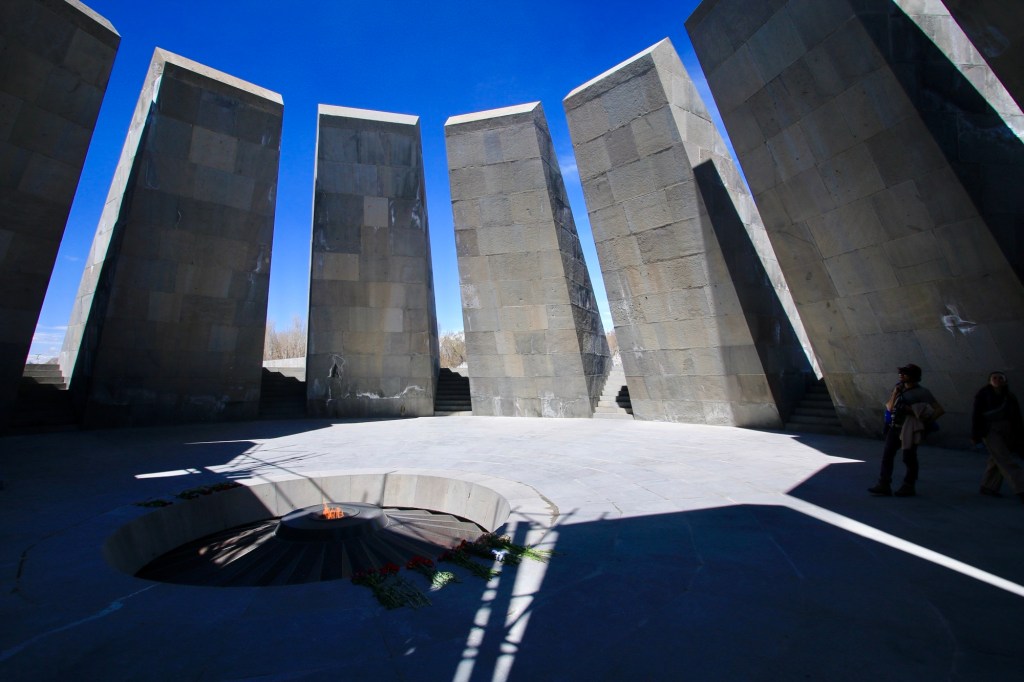
That meant that my trip to the Armenian Genocide Memorial Museum would need to be either my last day or today.
I concluded that, as I have limited knowledge of this history, this would be a good bit of information to add to the foundation of my trip.
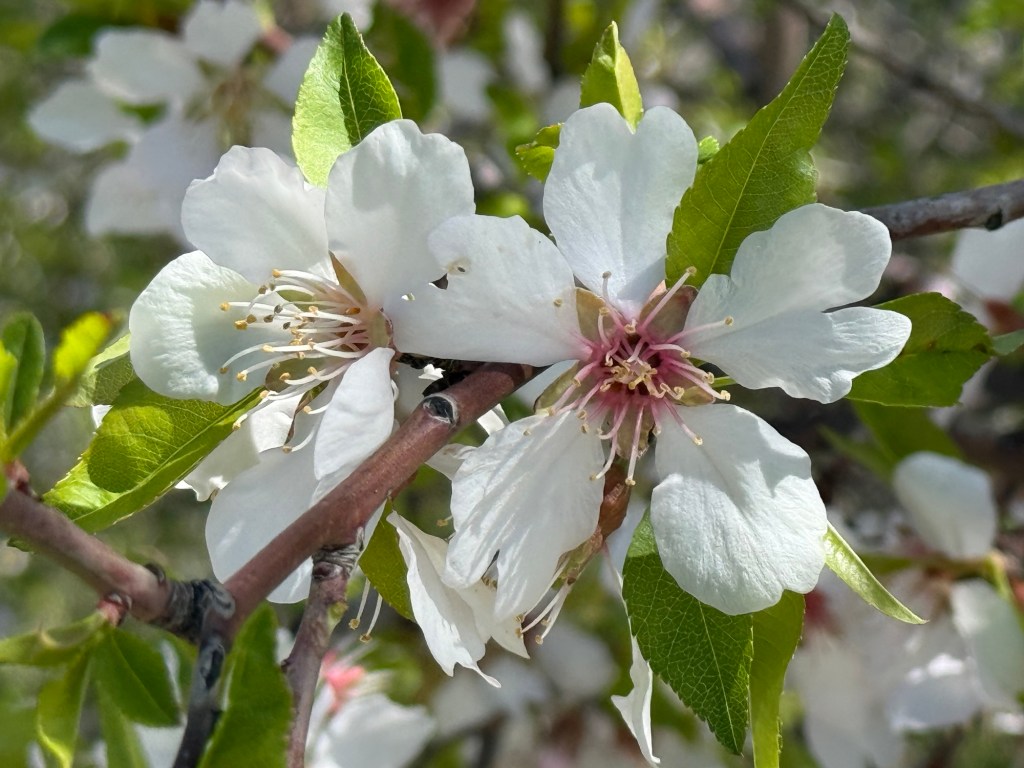
I also considered that it’s a beautiful day today, an idyllic Easter Sunday with a deep azure sky and the type of small puffy white clouds a child would draw. Spring is breaking here, and with it the buds on the trees.
The weather would be an added bonus, as much of the memorial is outside,
I called up Yandex, the local Uber-equivalent, and my driver took me into the hills above town to where the memorial looks out over the countryside, where he virtually kicked me out of the car.
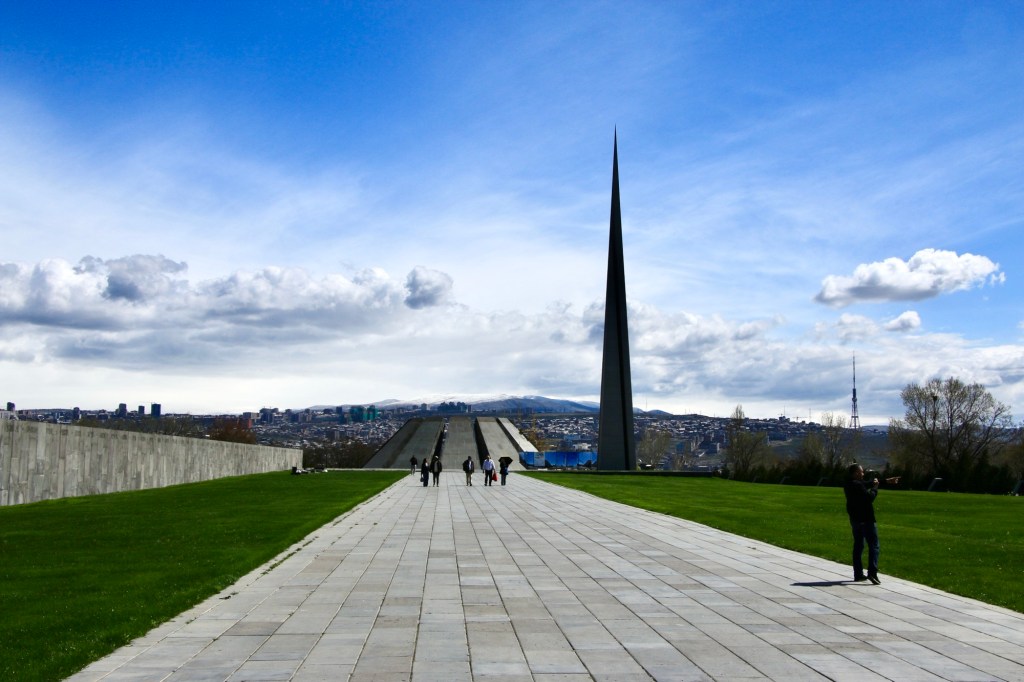
The grounds are dominated by the Memorial column, the temple of eternity, an the memorial wall.
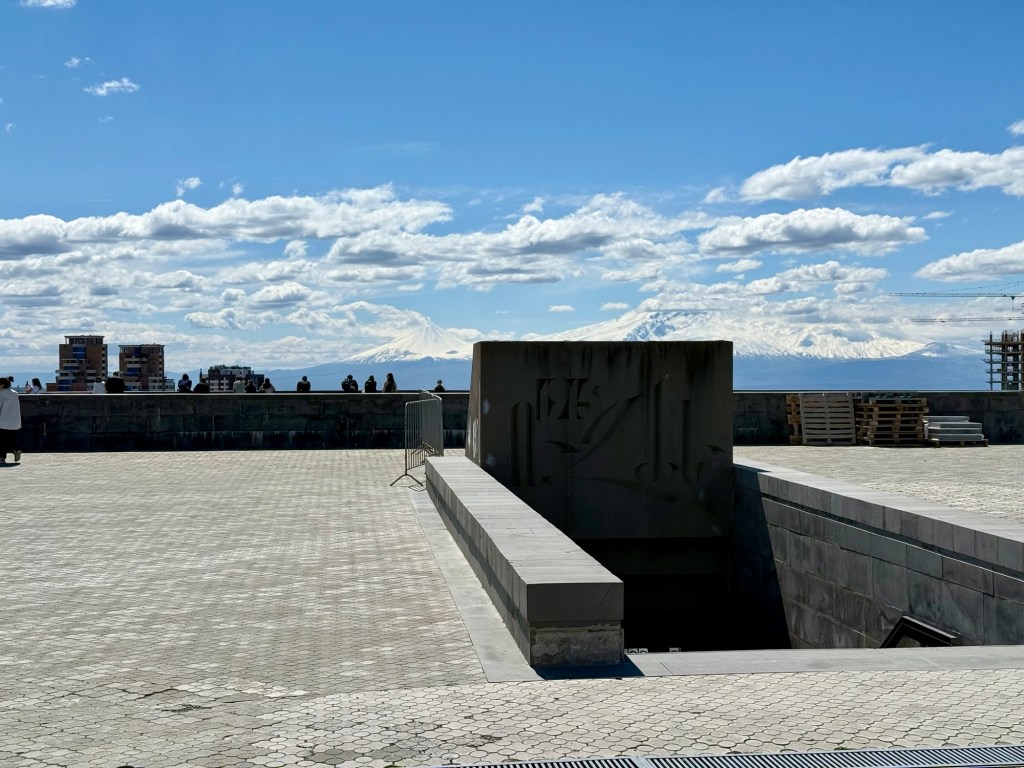
The museum is underground, and was sadly closed today, but the mere act of looking at the entrance engages the viewer. If one looks toward the museum entrance, the sight of Mount Ararat in the background is an unavoidable accusation. Mt Ararat was historically part of Armenia, and is considered a national symbol and a sacred mountain here.
Yet, now it is inaccessible, standing within the borders of Turkiye, behind a closed land border.
With the museum closed, I circled the grounds, contemplative. Who were these people? Why did this happen?
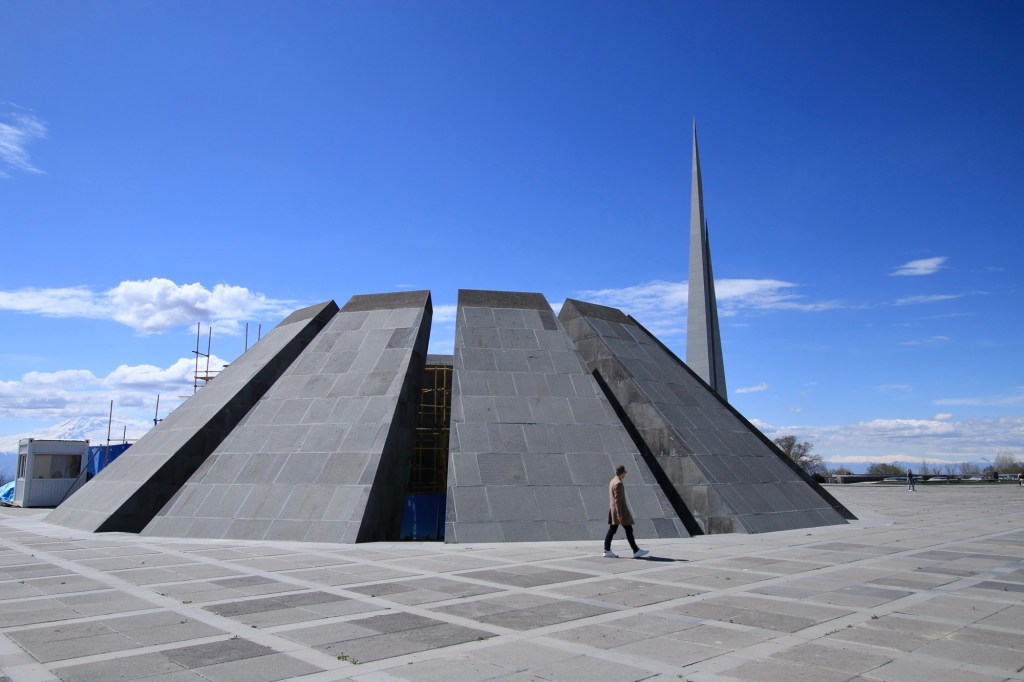
What is wrong with us that we keep doing this?
How do we learn?
All of these are reasons I wanted to get into the museum. A memorial is a beautiful thing — a reminder. It stirs the mind and the spirit and helps to keep us from forgetting. But it isn’t history, and history is what I needed here.
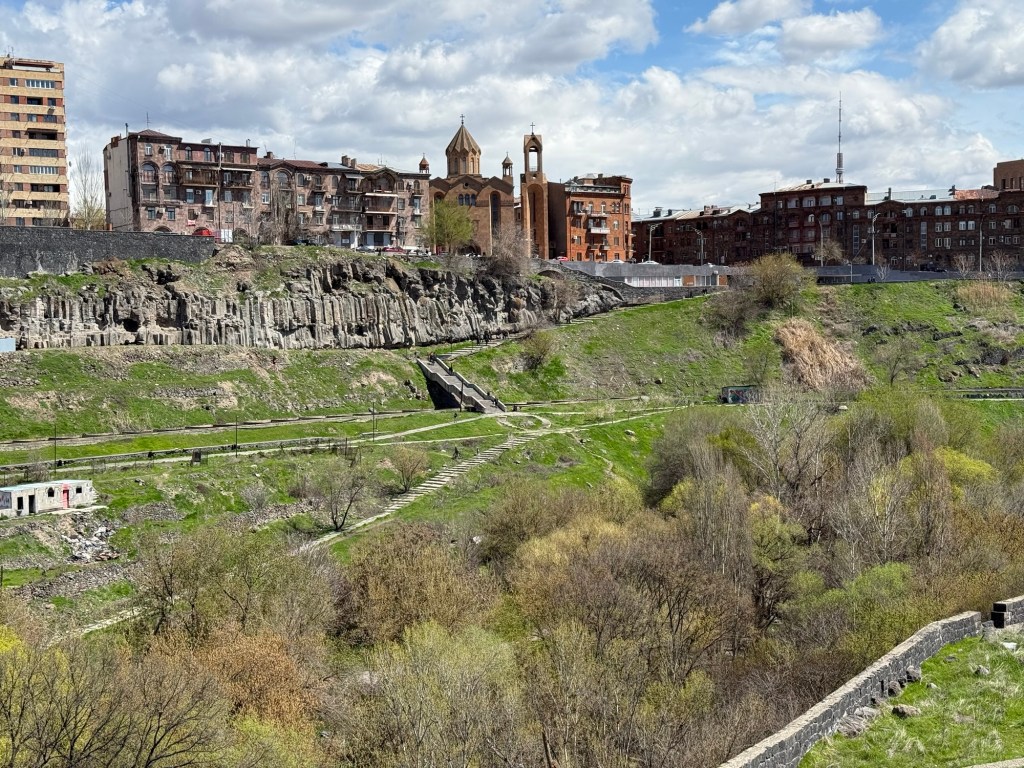
And with that I walked back to Republic Square, an hour walk that also took me to my hotel.
Republic Square is the humming civic and architectural hub of Yerevan with a large oval roundabout and surrounding buildings.
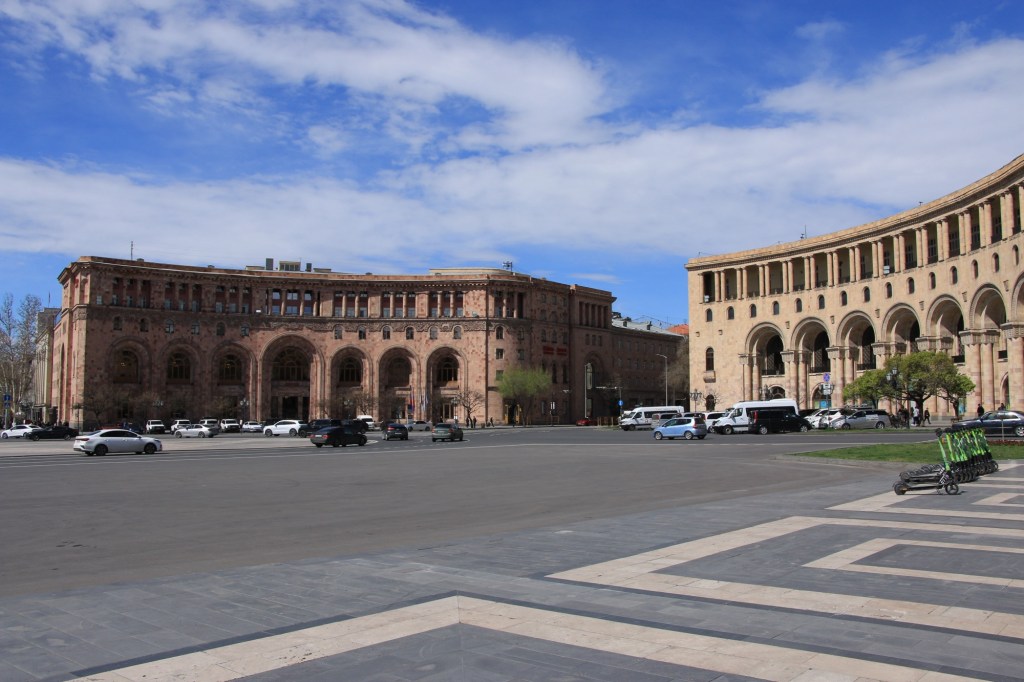
In the Soviet Era, this was named Lenin Square and hosted military parades. Now it hosts musicians, taxis, and pedestrians.
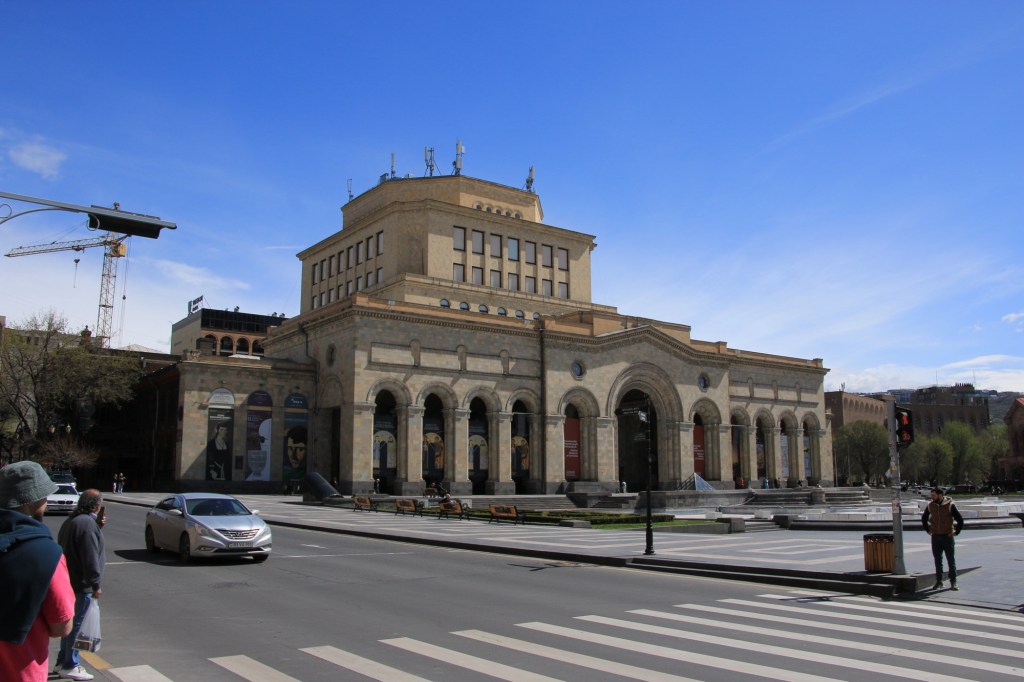
On the East side of the square stands a hulk of a building, the History Museum of Armenia.
By the time I arrived there was only an hour left before closing, so I had just enough time for some incredible finds.
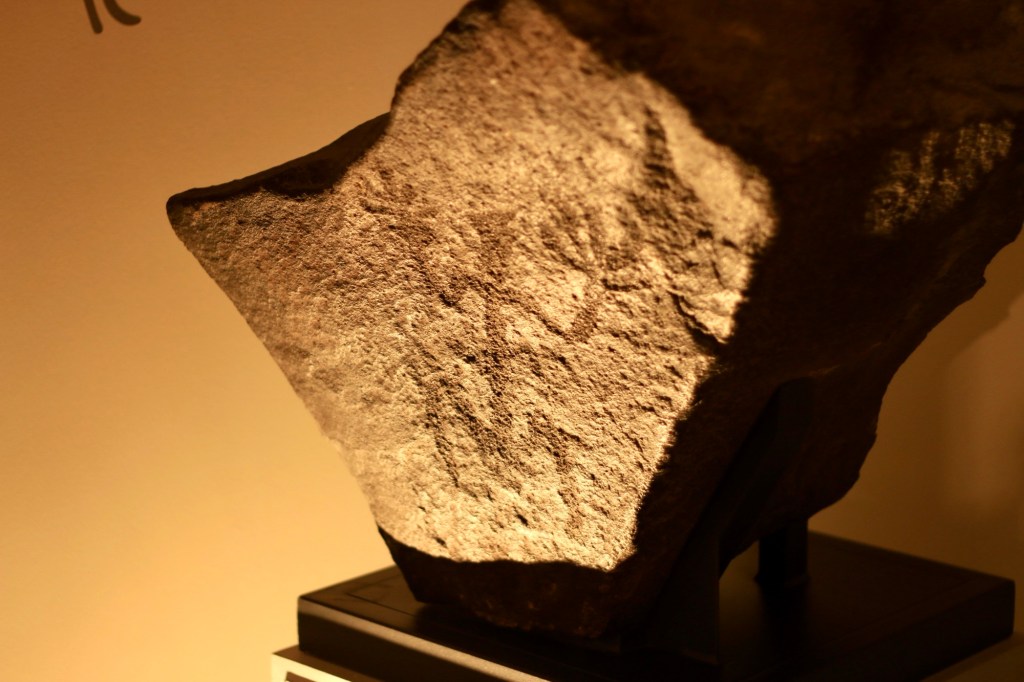
Such as this prehistoric petroglyph, scraped onto this rough stone, visible only when the light catches it just right. I wonder about the fingers that made it. What did that hand look like?
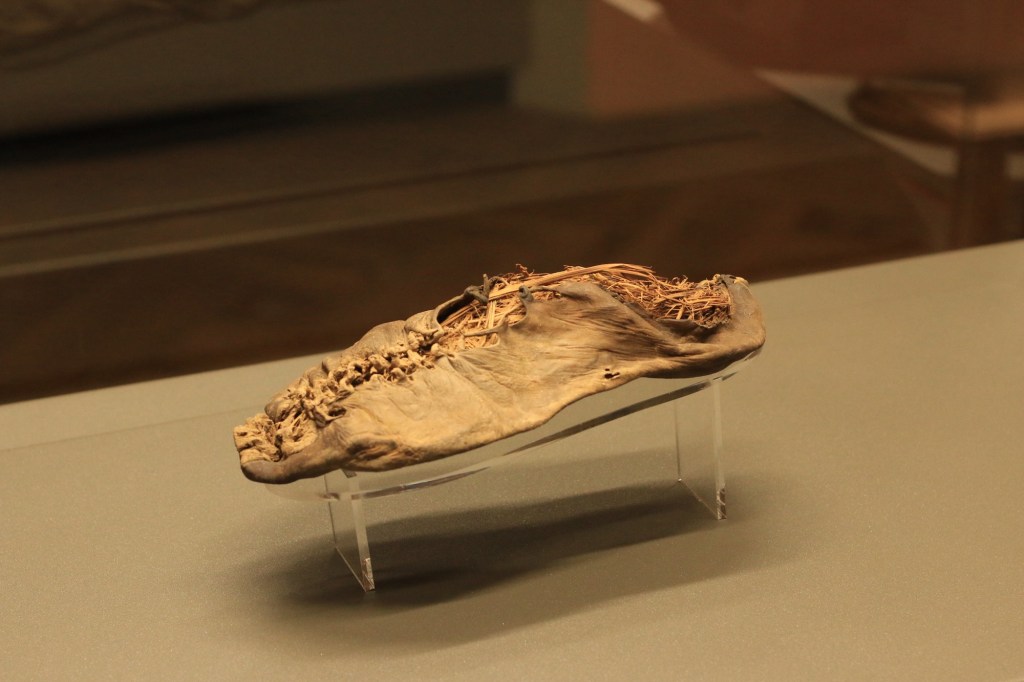
And this shoe, at 5,500 years old, reportedly the oldest ever identified.
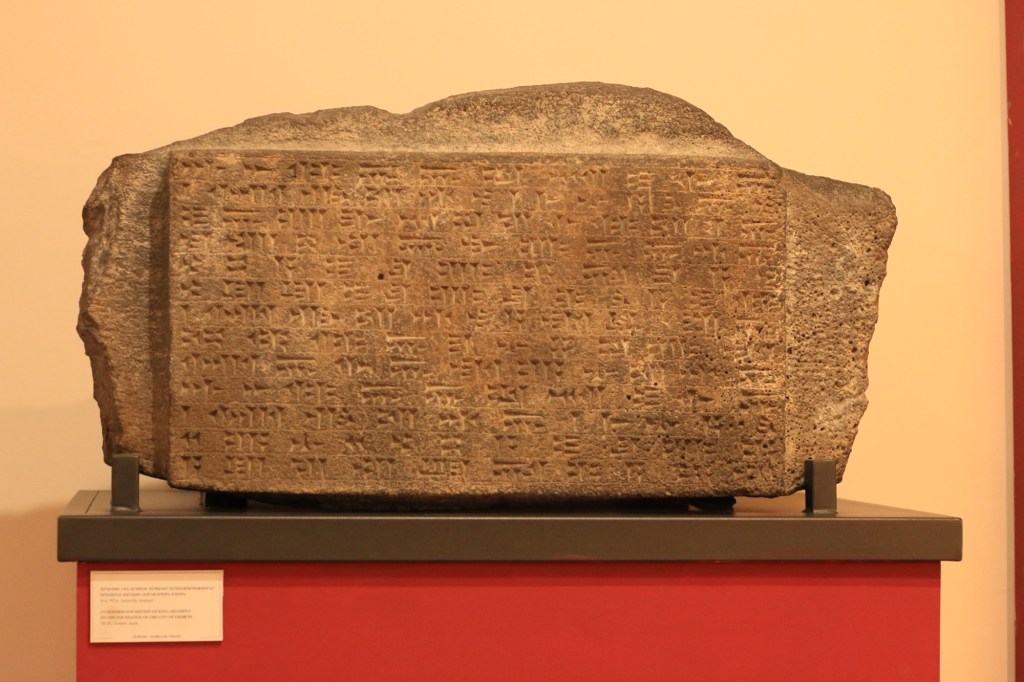
This cuneiform tablets, which confounded me and caught my imagination. I had thought that cuneiform was Sumerian, and yet here I was looking at something 2800 years old from the kingdom of Urartu, the earliest known Armenian state. There’s just a lot I don’t know about this land.
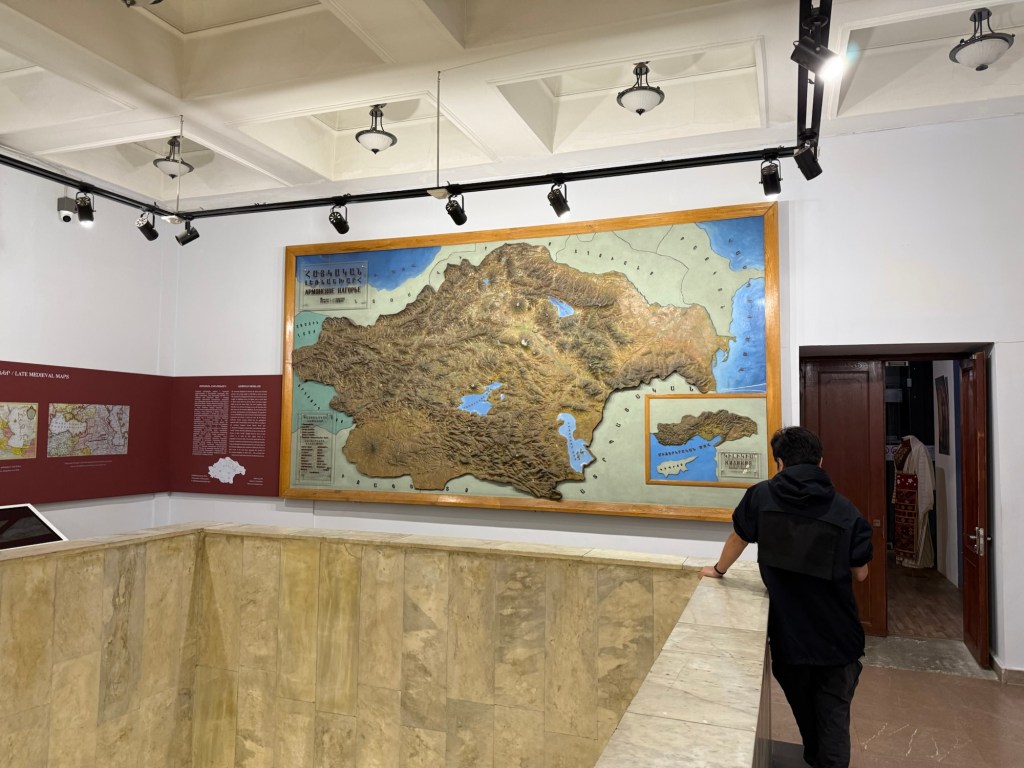
It became clear, as I passed quickly through the rooms of the museum, that Armenia was once a large nation, stretching from the Mediterranean in the West to the Caspian Sea in the East, and north to the Black Sea, as far as the fertile crescent to the South.
I rushed through the museum, the clock ticking down to closing time. I’m trying to understand the long history here, but don’t have enough time and I’m trying to move too fast. The names are strange and overwhelming and the script is exotic and hypnotic, one of the world’s oldest alphabets.
My mind spinning I escaped back into the city.
It’s my first day in Armenia, and I really have a lot to learn.

 butterblogger