Lurching left and right in an unpredictable manner, the train hurried forward, going ever downward. We were in a hurry to reach our destination, so didn’t bother stopping at Napoli Centrale, which would have lengthened this already long 5-hour ride.
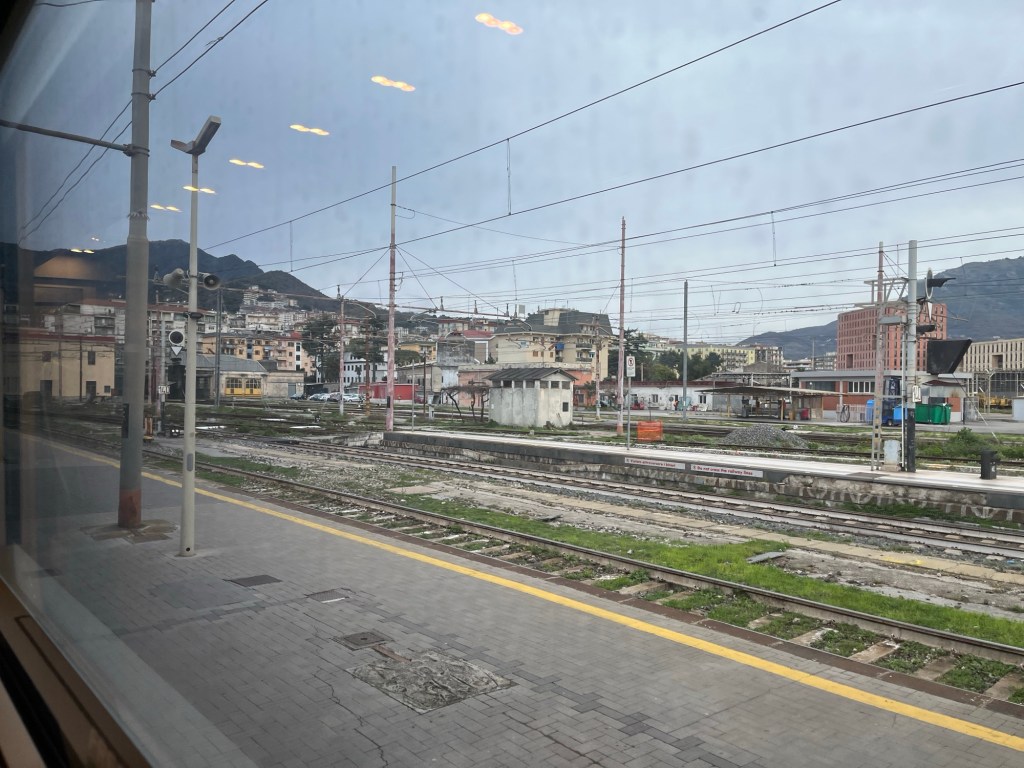
We stopped at Salerno, the site of my infamous loss of consciousness, and I glanced only momentarily toward the infamous platform, as these aren’t my favorite memories, and I have other places to be.
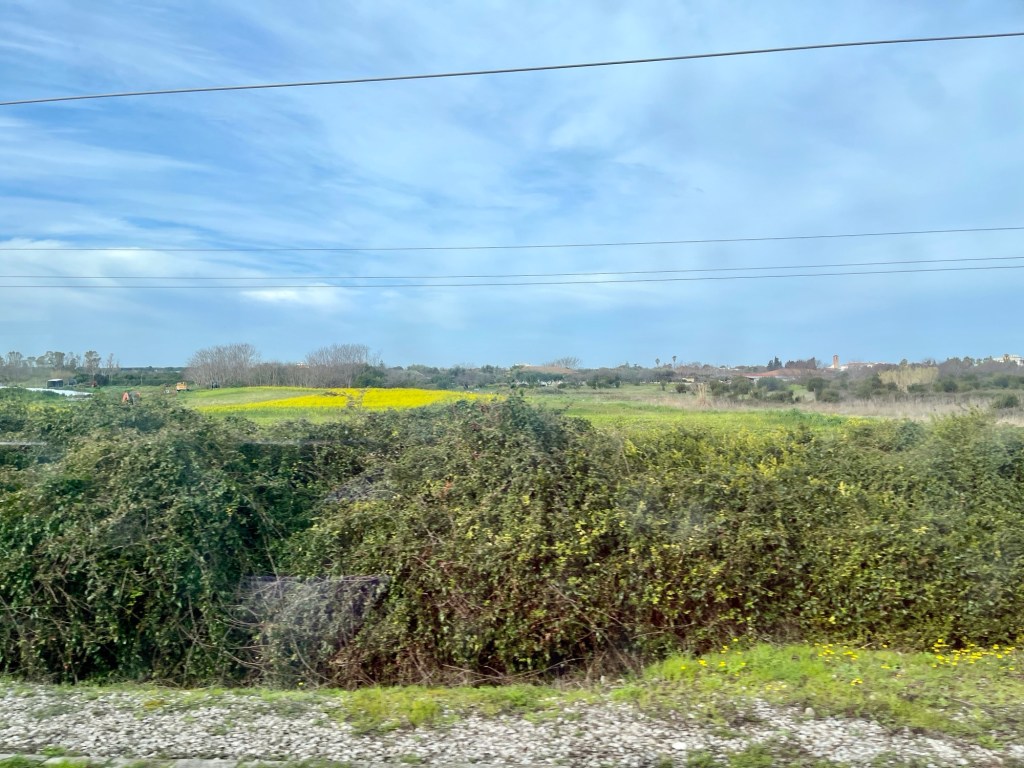
Our train didn’t even slow down for the station in Paestum, although I craned my neck at the windows hoping, but failing, to catch a glimpse of the magnificent temples that stand nearby.
Further south, the palms stood proudly with their garish heads, while nearby the fingers of the Mediterranean Sea lapped gently against the sandy shore at Paola. This wouldn’t seem like a bad place to stop, but my destination is further south.
When you read travel guides for Italy, a lot of words are written about the north: places like Rome, Florence, Venice, and Milan. Even smaller places like Bologna and Perugia make the cut.
When it comes to the South of Italy, however, general guidebooks are more limited, focusing on the likes of Naples and Sicily, maybe mentioning Puglia. For that, there are more specialized travel guides dedicated to Southern Italy, which better address the less-visited parts of the country.
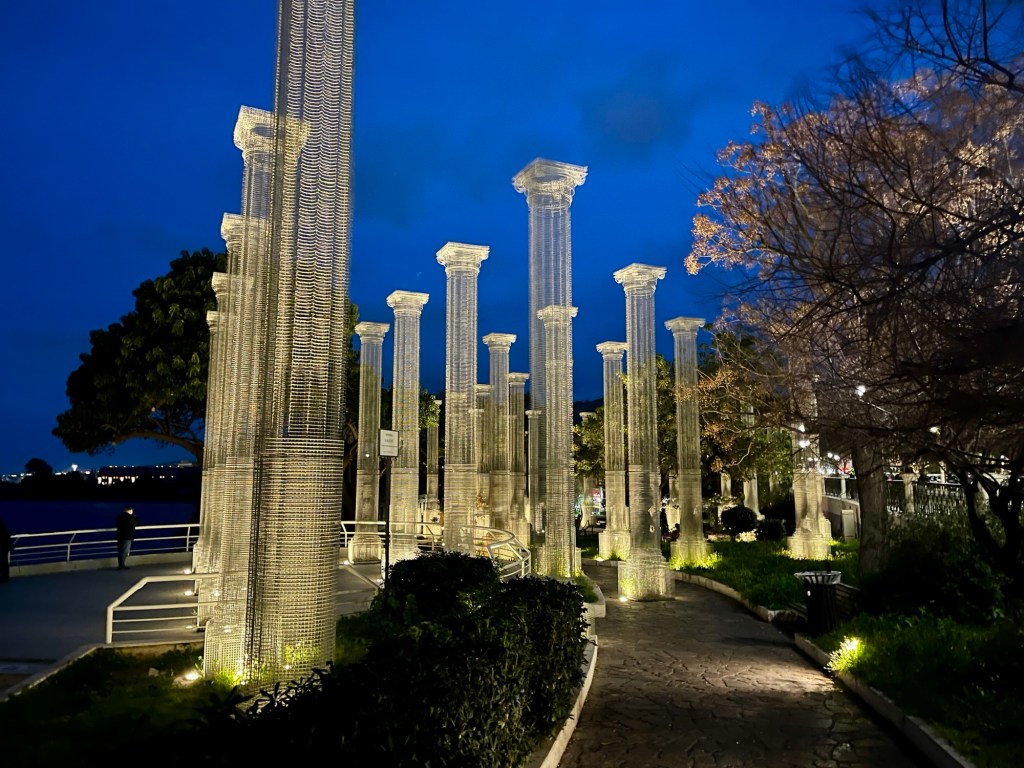
For my part, I decided to take this trip to Calabria, the very toe of the Italian boot, and the guidebooks for this region are virtually nonexistent.
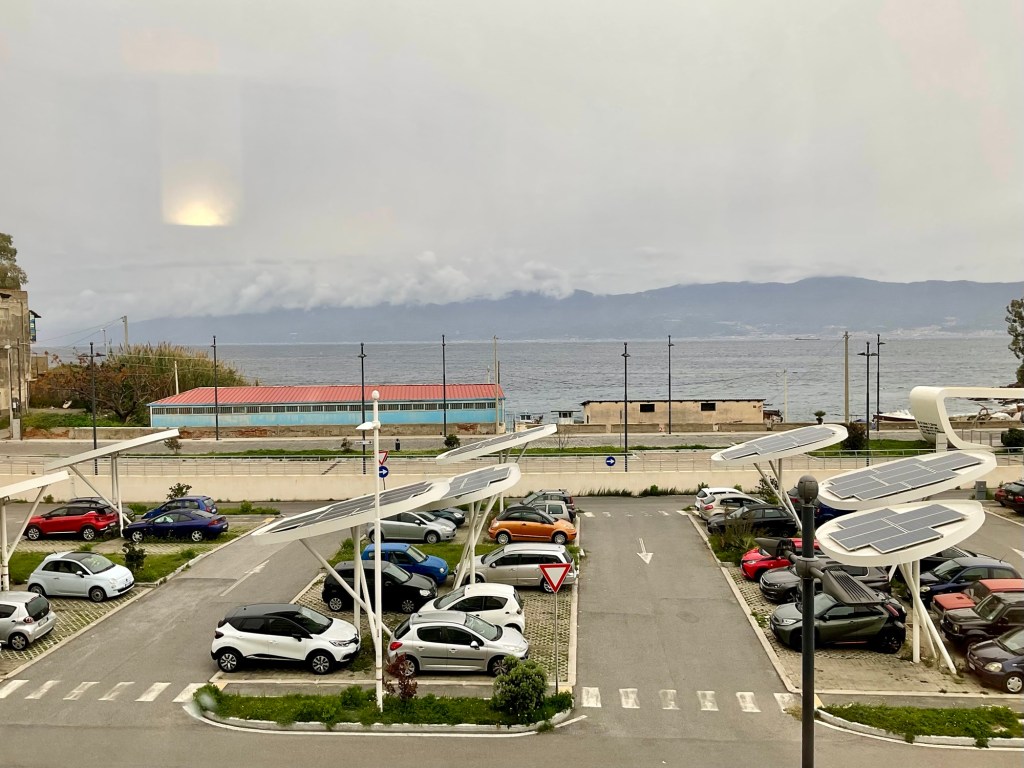
Stepping down from the train in Reggio Calabria, the capital of the region, I discovered my first mistake. My hotel was much further from the train station than I expected, and there is no Uber here. A lone taxi sat empty outside the station, so I considered the walk. In due time, however, the driver and his wife climbed into the vehicle and I was at my hotel with a view of the Straits of Messina.
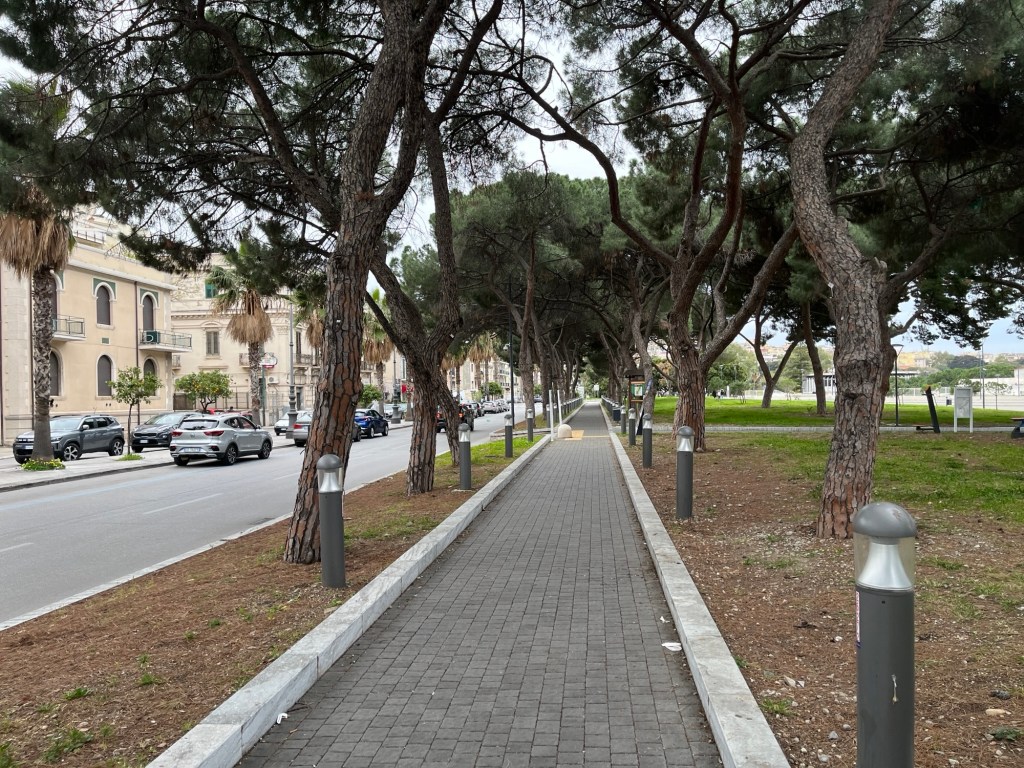
My hotel is on the very edge of where I thought I would want to be, but that just means a little more time and a few more steps.
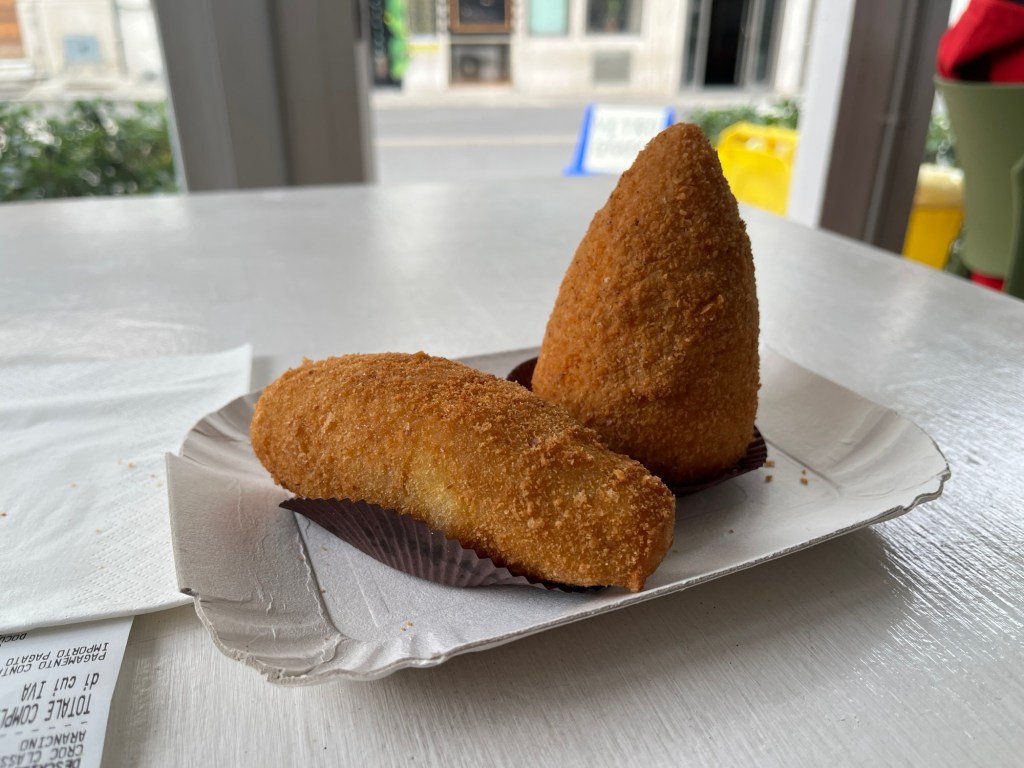
My first stop was lunch, and I found a small business selling Sicilian rice balls and potato croquettes. This was a perfect start to the trip.
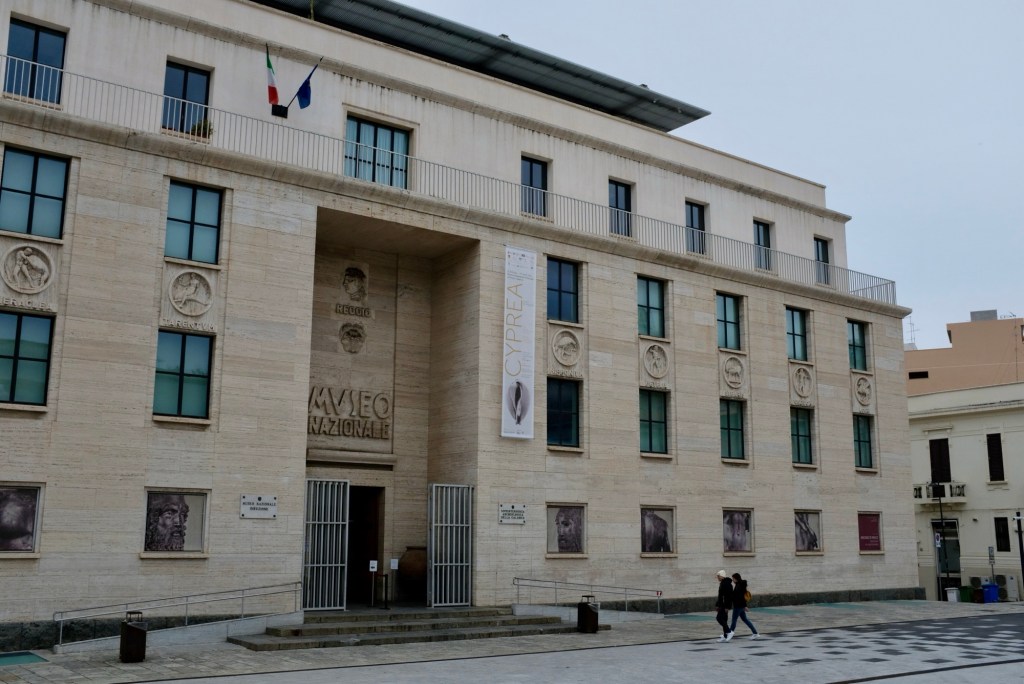
Now I needed to find my first museum, the Museo Nazionale della Magna Grecia. In ancient times, Southern Italy was dotted with Greek colonies, and Calabria was no different.
Reggio Calabria stands on the site of one of those city states. I can’t find many archeological site to actually visit here, but this museum celebrates that history and I wouldn’t miss it.
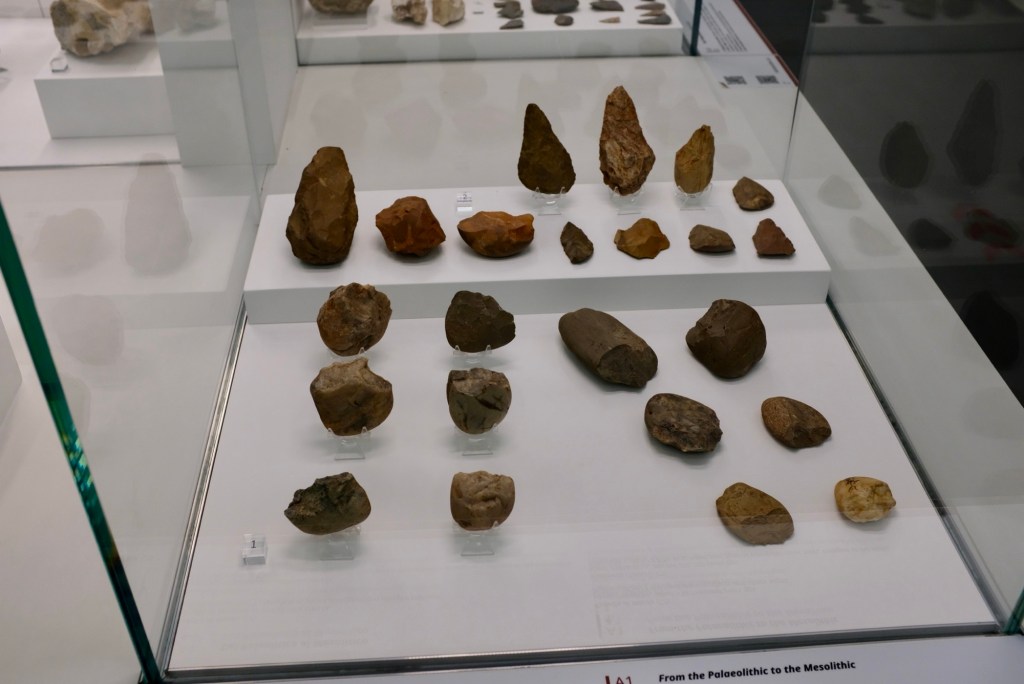
I was happy to these crudely shaped 650,000 year old stones (and the newer 200,000 year old models above them).
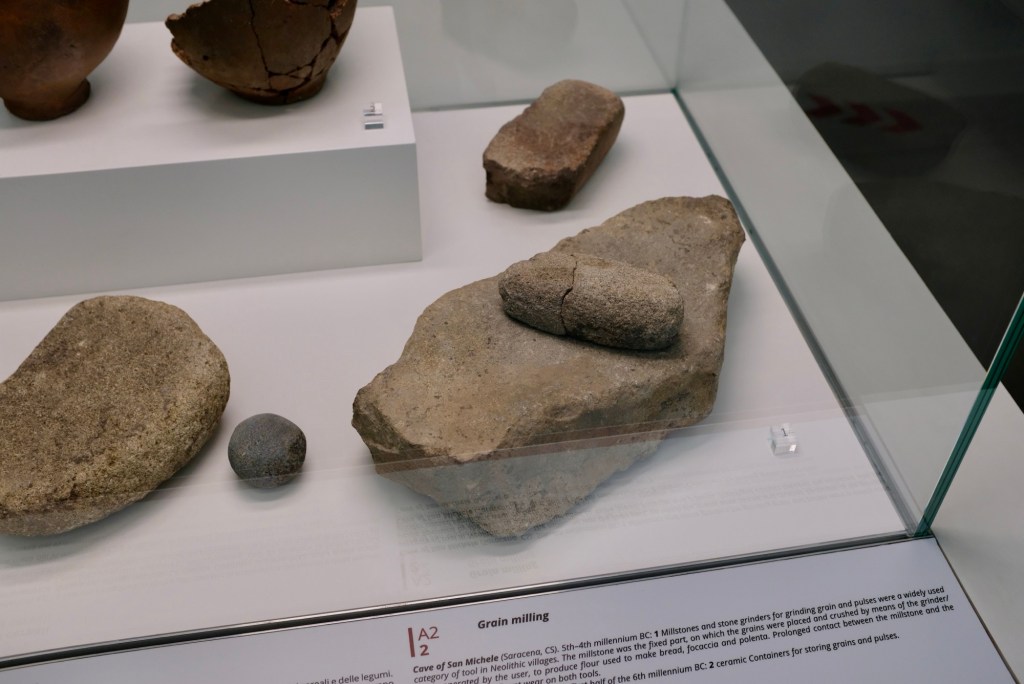
And I was similarly thrilled to find this 7,000 year old mill stone, which reminded me of the stone I used to grind corn in Oaxaca.
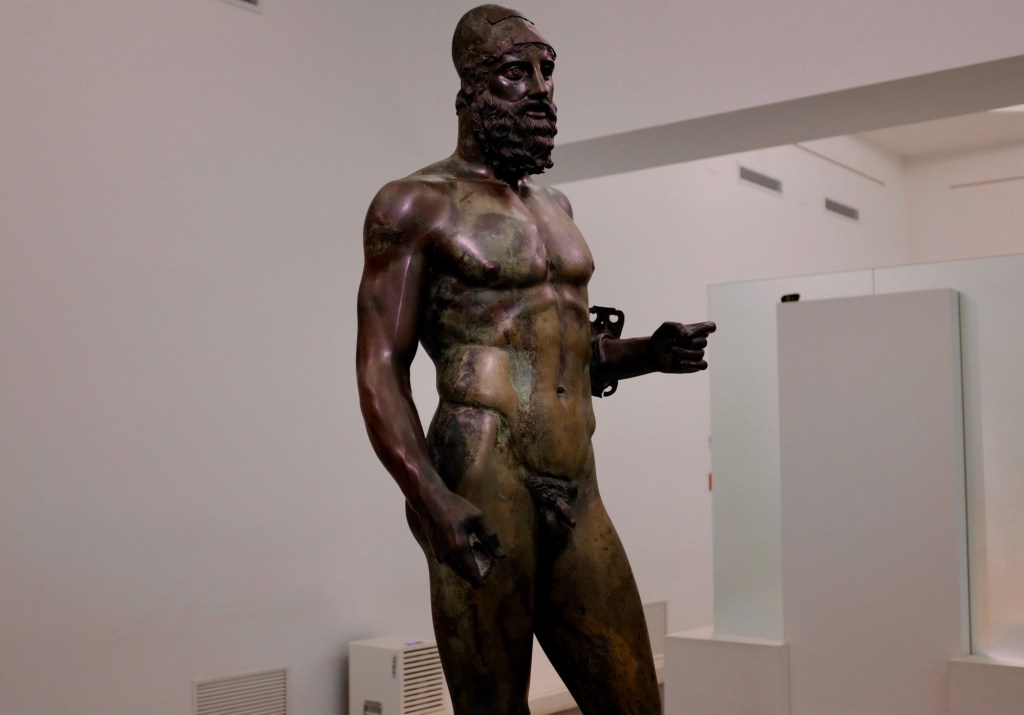
But the thing everybody comes here for are the Riace Bronzes is hidden away in a climate controlled room: a pair of bronze sculptures found buried in the sand off of the coast of Riace. They date to the 5th century BCE and are quite remarkable in their detail and quality.
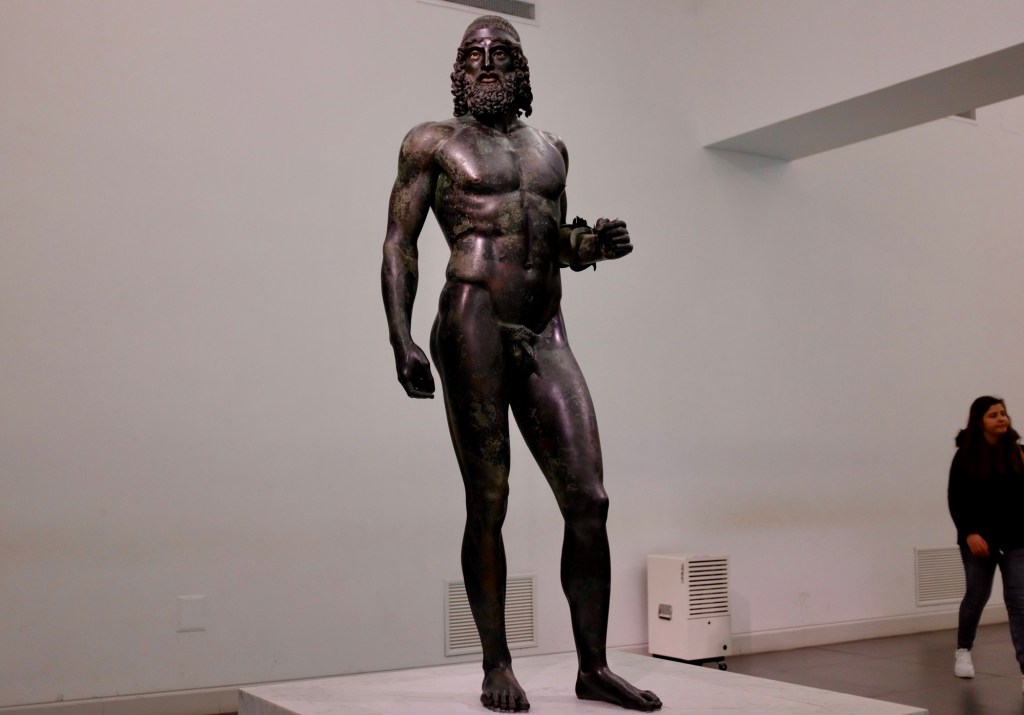
Few bronze pieces survived that era – in later years they were melted down and the metal reused. These almost certainly avoided that fate by being lost to memory. I’m a bit surprised they didn’t degrade more during the centuries spent under the sea, but being almost entirely buried in the sand probably protected them. And admittedly I don’t have a sense of how much restoration has been done
After a bit of time taking them in, considering the workmanship and the millennia that separate us, I headed back out into the streets. I needed a nap, and wanted to be well rested for the night ahead.

 butterblogger